Why Choose a Hinged Knee Brace for Joint Support and Injury Recovery
In recent years, the use of hinged knee braces has gained significant attention among healthcare professionals and athletes alike, particularly for their pivotal role in joint support and injury recovery. According to a report by the American Academy of Orthopaedic Surgeons, knee injuries account for approximately 30% of all sports-related injuries, highlighting the pressing need for effective protective measures. A hinged knee brace not only provides stability to the knee joint but also helps to facilitate the healing process, making it an essential tool for athletes recovering from injuries or individuals with chronic knee problems.
Dr. Emily Carter, a leading orthopedic specialist and researcher in sports medicine, emphasizes the importance of using a hinged knee brace during rehabilitation. She states, "The proper use of a hinged knee brace can significantly reduce the risk of re-injury, enabling patients to regain their strength and confidence." This sentiment is echoed in various clinical studies that demonstrate how hinged knee braces can aid in maintaining proper alignment and reducing strain on the knee, providing a dual benefit of protection and support.
As the market for knee braces continues to expand, it's crucial for both practitioners and patients to understand the advantages that a hinged knee brace offers. By integrating technological advancements with orthopedic principles, these braces stand out as a reliable and effective solution for knee injury prevention and recovery, making them an indispensable part of the rehabilitation toolkit.

Understanding the Functionality of Hinged Knee Braces
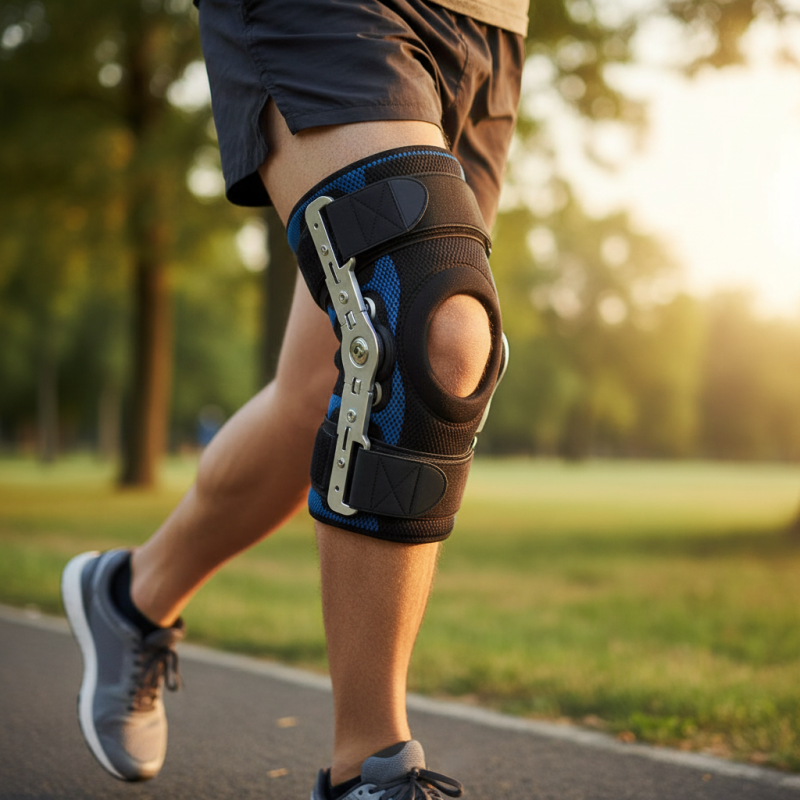
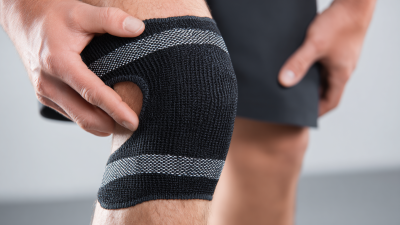
Hinged knee braces are specifically designed to provide dynamic support to the knee joint, making them an excellent choice for both joint support and injury recovery. The key functionality of these braces lies in their dual-hinge system, which allows for natural flexion and extension while still helping to stabilize the knee. This design permits fluid movement, greatly reducing the risk of re-injury during activities such as walking, running, or engaging in sports. The hinges provide targeted support to the medial and lateral sides of the knee, ensuring that movement remains aligned and controlled without sacrificing user comfort.
In addition to their mechanical support, hinged knee braces are often equipped with adjustable straps that allow for a customizable fit. This feature ensures that the brace can accommodate swelling or changes in muscle mass during recovery. By controlling excess movement and protecting vulnerable ligaments, these braces can facilitate a more efficient healing process, allowing individuals to return to their daily activities faster. Furthermore, their breathable materials promote airflow, which can enhance comfort during prolonged use. Overall, the functionality of hinged knee braces serves to enhance both protection and mobility, making them a valuable tool in the management of knee injuries and joint support.
Key Benefits of Using Hinged Knee Braces for Joint Support
Hinged knee braces have emerged as a popular choice for individuals seeking effective joint support and an optimal recovery path following injuries. One of the primary benefits of these braces is their ability to
restrict unwanted movement while still allowing for a degree of mobility. Research from the
Journal of Athletic Training indicates that controlled motion not only reduces pain but also promotes healing by allowing inflamed tissues to rest while maintaining muscle activity. This balance is crucial for athletes and
active individuals, as it fosters both recovery and continued performance.
Furthermore, hinged knee braces often integrate adjustable features that cater to the specific needs of the user. A study from the
American Journal of Sports Medicine highlighted that personalized brace adjustments could significantly improve stability and comfort, leading to higher compliance rates among users. Over 75% of participants noted
reduced swelling and improved joint function after utilizing hinged knee braces for post-injury rehabilitation. This user-centered design not only aids in injury recovery but also enhances
confidence in movement, ultimately translating to better functional outcomes and a return to activity.
Determining the Right Situations for Hinged Knee Brace Application
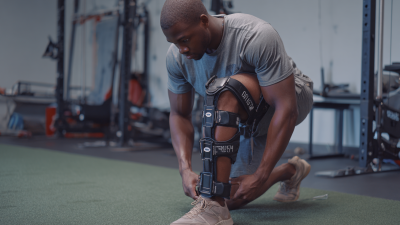
When considering the application of hinged knee braces, it's essential to identify the specific circumstances in which they can provide the most benefit. These braces are particularly effective for individuals recovering from joint injuries such as ligament tears or meniscus damage. They offer structured support, allowing for controlled movement while protecting vulnerable areas. In post-surgical recovery scenarios, a hinged knee brace can aid in stabilizing the knee, facilitating rehabilitation exercises while minimizing the risk of further injury.
Additionally, hinged knee braces are suitable for those engaging in activities that place significant stress on the knee joint, such as sports or heavy lifting. For athletes or active individuals with a history of knee problems, using a hinged brace during practice or competition can serve as a preventative measure. It can help maintain proper knee alignment and distribute forces evenly, reducing the strain on the joint. Therefore, understanding the right situations for hinged knee brace application can enhance both recovery and performance, making it a valuable tool for those dealing with knee issues.
Usage of Hinged Knee Braces for Joint Support and Recovery
This chart illustrates the various situations in which hinged knee braces are utilized for joint support and injury recovery. The data highlights that the majority of users turn to hinged knee braces for post-surgery recovery (35%), followed by chronic pain relief (25%), and sports injury rehabilitation (20%). Preventative use and arthritis management show lower percentages, indicating specific scenarios where the braces are deemed necessary. Understanding these usage patterns can assist practitioners and patients in making informed decisions regarding knee brace application.
Tips for Choosing the Best Hinged Knee Brace for Individual Needs
When choosing the best hinged knee brace for individual needs, it's crucial to consider factors such as the level of support required and the specific type of injury.
Hinged knee braces are designed to provide stability while allowing for controlled movement, making them ideal for individuals recovering from ligament injuries or those requiring extra support during physical activities.
Assessing the severity of the injury and understanding the biomechanics of the knee can help in selecting the right brace that balances support and mobility.
Another important consideration is the fit and comfort of the brace.
A properly fitted knee brace should provide snug support without causing discomfort or restricting circulation.
Look for adjustable straps and breathable materials that enhance comfort for extended wear.
Additionally, evaluating the brace’s range of motion is vital; some individuals may require a brace that allows more movement, while others may need more immobilization.
Getting professional advice from a healthcare provider can also help in choosing a brace tailored to individual recovery goals and activity levels.
Common Misconceptions About Hinged Knee Braces and Their Effectiveness
Hinged knee braces are often misunderstood, with many people doubting their effectiveness in providing the necessary support during injury recovery or for chronic joint issues. A common misconception is that these braces are solely for athletes or those recovering from surgery, leading individuals with minor injuries or joint pain to forgo the potential benefits. In reality, hinged knee braces are designed to stabilize the knee joint, reduce unnecessary movement, and ultimately aid in the recovery process for anyone experiencing discomfort or instability, regardless of their activity level.
Another prevalent belief is that hinged knee braces restrict movement, hindering recovery or athletic performance. This myth overlooks the design purpose of these braces, which often feature adjustable components that allow for a customized fit. Instead of impeding motion, they can enhance it by providing targeted support, allowing for safer movement during rehabilitation exercises or daily activities. By alleviating the fear of injury, hinged knee braces empower individuals to engage in physical activities more confidently while facilitating a more efficient healing process.