10 Essential Tips for Using Casting Tape Effectively?
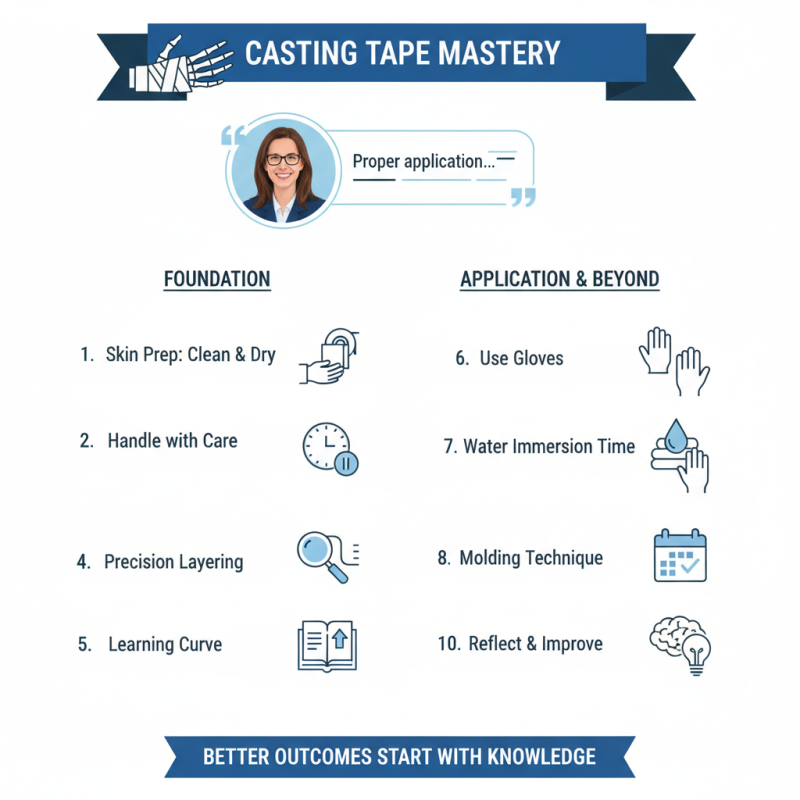
When it comes to using Casting Tape effectively, expert Dr. Sarah Thompson emphasizes the importance of technique. She states, "Proper application and attention to detail can make all the difference." This insight is crucial for both beginners and seasoned professionals in the field.
Casting Tape is a versatile material. However, many overlook its specific handling requirements. A successful casting requires precision and patience. Rushing the process often leads to failures. There’s a learning curve. Mistakes made during application can compromise the entire cast.
Many forget the importance of preparation. Proper skin cleaning and drying can prevent complications. Each step in the casting process matters. Often, casts are removed prematurely, leading to ineffective healing. Understanding these nuances ensures better outcomes. Navigating through challenges with Casting Tape requires continuous learning and reflection.
Understanding the Basics of Casting Tape and Its Uses
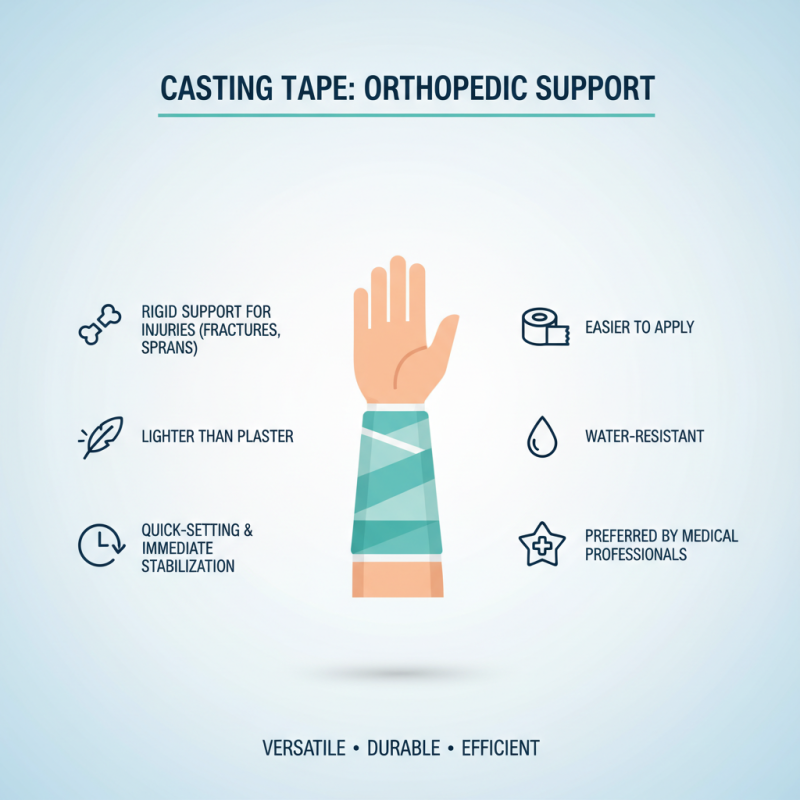
Casting tape is a versatile product, primarily used in orthopedic settings. It is designed to create rigid support for broken bones or injuries. Unlike traditional plaster casts, casting tape is lighter and easier to work with. This makes it a popular choice among medical professionals. The tape adheres well and sets quickly, offering immediate stabilization.
Understanding how to use casting tape effectively is essential. Preparation is key. Clean the skin before application to prevent irritation. Measure the area carefully to cut the right length of tape. Apply the casting tape in overlapping layers. Ensure an even distribution for proper support. It’s crucial to monitor the comfort level of the patient. If there’s excessive pressure or pain, adjustments may be needed.
While it may seem straightforward, mistakes can happen. A poorly applied cast can lead to complications. Patients should be educated on how to care for their cast. This includes keeping it dry and avoiding tight clothing. Regular check-ups are important to assess the healing process. Reflecting on these aspects can improve outcomes and make the process smoother.
Choosing the Right Type of Casting Tape for Your Needs
When selecting the right type of casting tape, it's crucial to assess your specific needs. Different types of casting tape offer varied levels of flexibility and support. For instance, some tapes are lightweight, making them ideal for children or active individuals. Others provide a sturdier structure for severe injuries. Take time to understand what each type offers.
Consider the setting of use. If the tape will get wet frequently, look for water-resistant options. If prolonged wear is expected, prioritize breathable materials. The wrong choice can lead to discomfort or skin irritations. Don't rush this decision. Experiment with samples if available. Test how the tape feels against the skin.
Remember, no single tape suits every situation. Mistakes can happen, and adjustments may be needed. Monitor how well the tape performs in real-life scenarios. Is it offering the needed support? Does it dry quickly? Reflect on these details as they affect healing and comfort. Your ideal casting tape will make a significant difference in recovery.
Step-by-Step Guide to Applying Casting Tape Effectively
Applying casting tape can be a challenging task. Following a structured approach can significantly improve outcomes.
Begin by preparing the area. Clean the skin thoroughly. Ensure it is dry before taping. Moisture can weaken adhesion.
According to a report by the Journal of Orthopedic Science, proper skin preparation can enhance tape performance by up to 40%.
When applying the tape, use a gentle, overlapping technique. This not only provides better support but also helps in managing pressure.
Keep in mind that applying it too tightly can cause discomfort.
It’s crucial to find a balance. A study noted that nearly 25% of patients reported discomfort from overly tight casts.
Always check for signs of irritation or circulation issues.
After application, avoid exposing the cast to water. This can compromise its integrity.
Research shows that casting materials can absorb moisture, leading to potential skin issues.
If you need to adjust, do so with caution. It's essential to revisit your technique regularly. Learning from each application will lead to better results over time.
Don't underestimate the learning curve involved in mastering casting tape.
Best Practices for Maintaining and Caring for Casting Tape
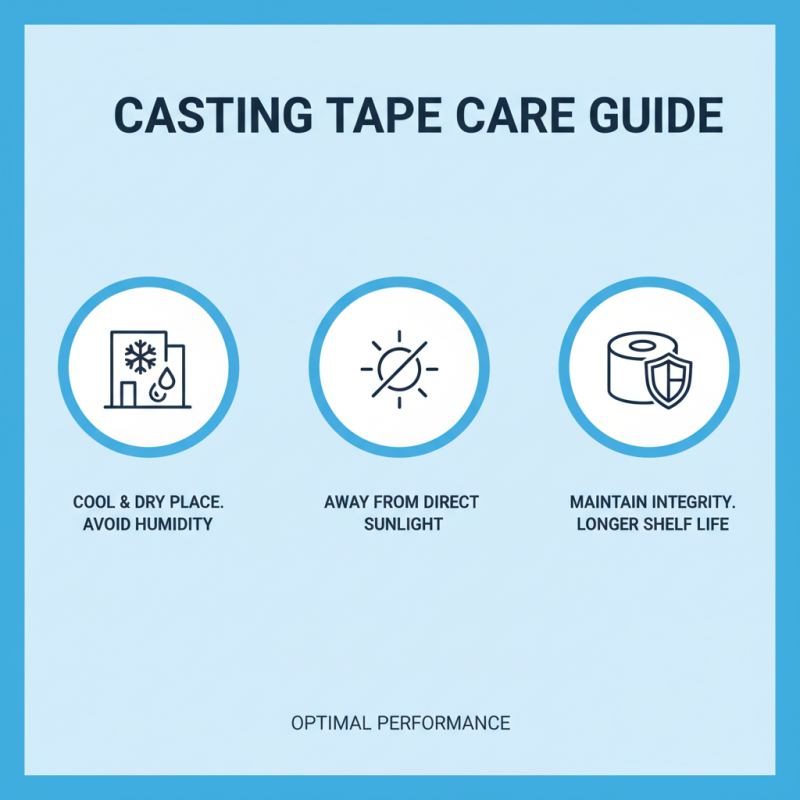
Caring for casting tape is crucial for optimal performance. Always store it in a cool, dry place. High humidity can weaken the adhesive. Keep it away from direct sunlight to prevent deterioration. Proper storage ensures that the tape maintains its integrity for a longer time.
When applying casting tape, remember to check for skin irritation. Some individuals may have sensitive skin. Using a barrier film can help protect the skin underneath. Regularly inspect the cast for any signs of wear. If it gets wet, it may lose its strength, so keep it dry.
Reflecting on the maintenance process, it's easy to overlook minor details. A small tear can compromise the whole cast. Make time to examine it daily. If you notice anything amiss, address it promptly. Investing time in care can make a significant difference in healing.
Tips for Safely Removing Casting Tape After Use
Removing casting tape can be tricky. It's essential to take your time. Rushing can lead to skin irritation or even minor injuries. Start by softening the edges with warm water. This makes the tape easier to peel off. Avoid yanking or pulling hard on the tape. Be gentle.
Wipe the area with a clean cloth after removing the tape. This helps remove any sticky residue. If residue remains, try using a mild adhesive remover. Always test it on a small area first. Listen to your body; any discomfort means you should stop and seek help. It's okay to ask for assistance.
Sometimes, you might find the tape difficult to remove. Don't panic; this happens to many. Reflect on your technique during application. Were you too enthusiastic with the layers? Learning from these moments improves your skills. Take care of your skin during both applications and removals.