10 Essential Tips for Choosing the Right Shoulder Braces
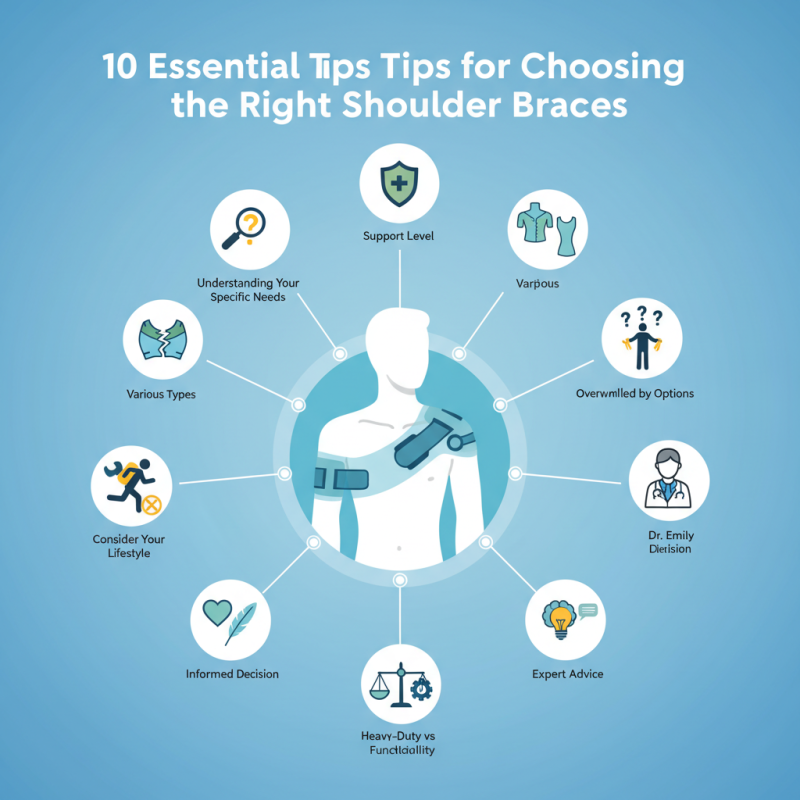
Choosing the right shoulder braces can significantly impact recovery and comfort. Dr. Emily Carter, an orthopedic specialist, emphasizes, "The right fit makes all the difference." This statement highlights the importance of understanding your specific needs when selecting shoulder braces.
Various types of shoulder braces exist, and each serves a unique purpose. Depending on your injury or condition, you might require different support levels. It can feel overwhelming, especially when faced with many options. Some braces may seem attractive but fail to provide appropriate support. This is a common mistake many make.
Moreover, it's essential to consider your lifestyle. A heavy-duty brace may not be practical for everyday use. Conversely, a lightweight version might lack the necessary support for serious injuries. Balancing comfort, support, and functionality is key. Understanding these aspects will lead you to make a more informed decision about your shoulder braces.
Understanding the Purpose of Shoulder Braces for Injury Support
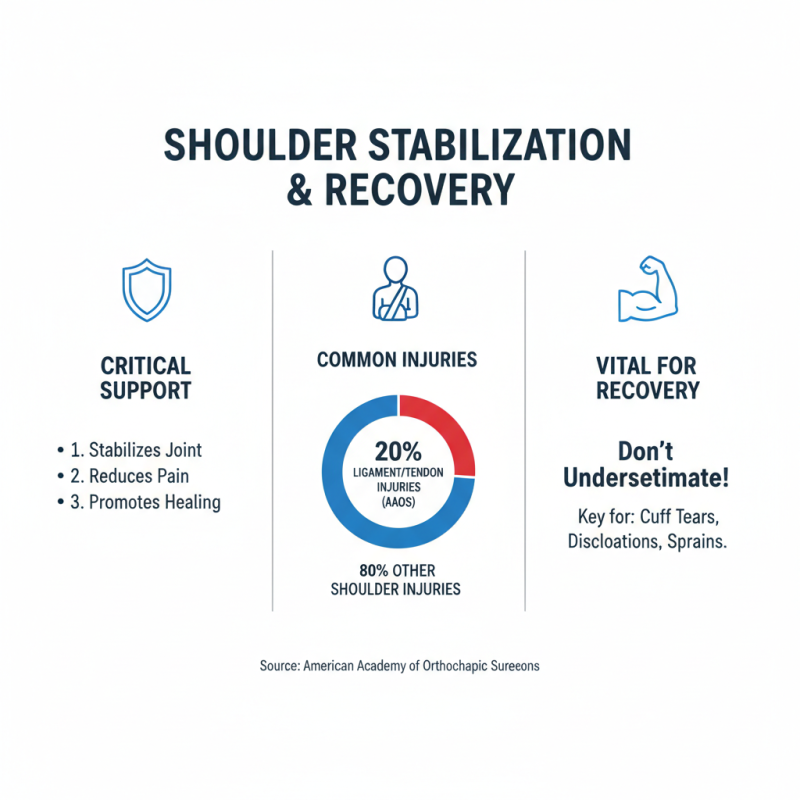
Shoulder braces serve a critical role in supporting injuries. They help stabilize the shoulder joint, reducing pain and promoting healing. According to the American Academy of Orthopaedic Surgeons, around 20% of shoulder injuries involve ligaments and tendons. Many individuals underestimate this support system, yet it can be vital for recovery.
Using a shoulder brace can significantly decrease strain on injured areas. A report from the Journal of Shoulder and Elbow Surgery states that proper support can enhance the healing process by 30%. However, not every brace is created equal. Choosing the right one requires understanding specific needs. Some users may experience discomfort or increased mobility restrictions.
It’s essential to recognize that a brace alone may not suffice. Rehabilitation exercises and proper medical advice are equally important. Many people rely too heavily on braces, neglecting other aspects of recovery. Balancing brace usage with physical therapy can yield better results. Understanding the full purpose of a shoulder brace is crucial. This knowledge empowers better recovery strategies.
Identifying the Different Types of Shoulder Braces Available
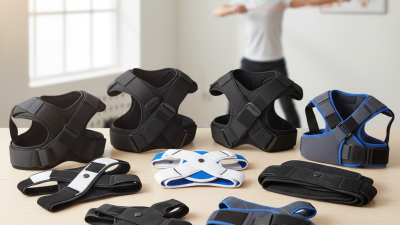
Choosing the right shoulder brace can be challenging due to the variety of options available. There are several types. One common type is the compression sleeve. It fits snugly and helps reduce swelling. Ideal for mild injuries, it provides support without restricting motion.
Another option is the shoulder stabilizer. This type offers more robust support. It restricts movement, making it suitable for serious injuries. Many users find it helpful for post-surgery recovery. However, it can feel bulky. Users should consider their comfort level when wearing it.
When selecting a brace, pay attention to the material. Breathable fabrics are essential for comfort. If it irritates your skin, you may not wear it long enough for recovery. Also, think about adjustability. A poorly fitting brace can worsen your injury. Many people overlook these details. Choosing the right brace is a personal journey. Take your time to explore what works best for your needs.
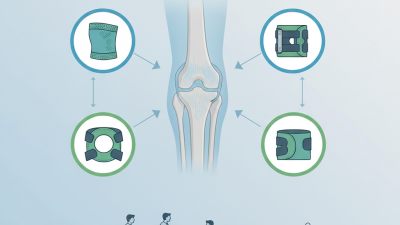
Shoulder Brace Types and Their Popularity
Key Factors to Consider When Selecting a Shoulder Brace
When choosing a shoulder brace, several key factors come into play. Comfort is paramount. A brace should fit snugly but not too tight. Too much pressure can cause discomfort or skin irritation. Look for adjustable straps. They allow for a customizable fit, essential for long-term wear.
Material also matters. A breathable fabric can help prevent overheating during use. Some braces are padded, providing extra support and comfort. Be mindful of the weight of the brace.
Heavier models may restrict movement more than lighter ones, which can impact daily activities.
Consider your specific condition. Different injuries or issues require different levels of support. A well-designed brace may offer the necessary stability for a sprain but may be too intrusive for mild strains. Ultimately, trying on various options can help pinpoint what feels best. Regularly reassessing comfort and support levels is also crucial.
How to Measure and Fit a Shoulder Brace Properly
When selecting a shoulder brace,
proper measurement and fit are crucial for effectiveness. According to industry experts,
improper fitting can reduce the brace's benefits by up to 30%.
To measure accurately, start by determining the circumference of your shoulder. Use a flexible measuring tape
and wrap it around the fullest part. Mark the measurement. This ensures that you find a brace tailored to your size.
Once you've chosen a brace, fit it carefully. Do not rush this process. The brace should snugly support
your shoulder without being overly tight. It should allow for some movement.
A good indicator of fit is the ability to slide one or two fingers underneath the straps.
Reports show that about 40% of users experience discomfort due to incorrect fitting.
Regularly checking and adjusting the brace is essential. As your condition improves or changes, revisit your measurements.
A poor-fitting brace can lead to frustration and slow recovery.
Recognizing Signs That Indicate the Need for a Shoulder Brace
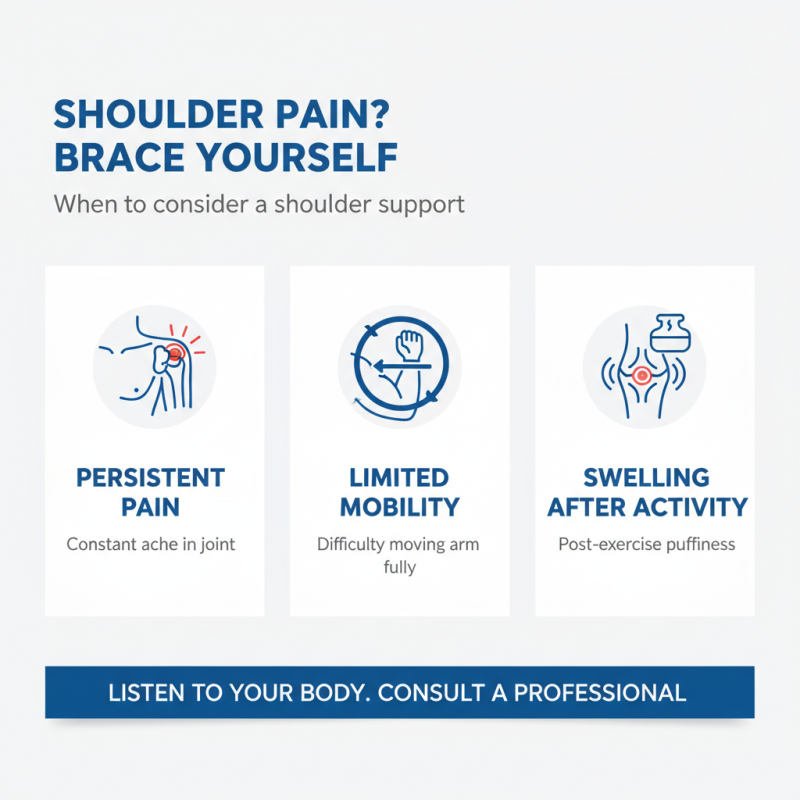
Shoulder injuries can signal the need for a brace. Look for persistent pain in your shoulder joint. If you notice limited mobility, it may be time to consider support. Swelling after activity is another red flag. Only you know how your body feels. Listen to it closely.
Choosing a shoulder brace involves understanding your symptoms. If you feel discomfort during everyday tasks, it is a sign. A proper fit is essential. An ill-fitting brace may worsen your condition. Test different styles and sizes to find what works best.
Think about your lifestyle when choosing. If you're active, a more flexible brace might be necessary. On the other hand, if you need to rest, a rigid option could provide better support. Keep in mind that comfort is vital. If a brace feels cumbersome, it may not be the right choice for you. Feel free to change your mind if something doesn’t feel right.