How to Choose the Right Finger Splint for Your Needs?
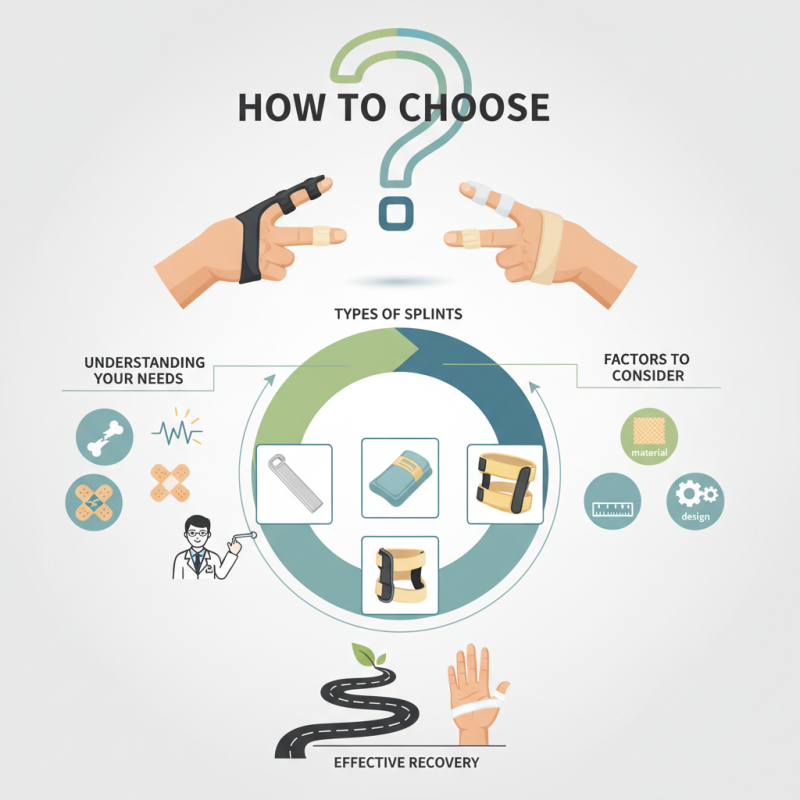
Selecting the right finger splint is crucial for effective recovery and support. It can be overwhelming with countless options available. Understanding your specific needs is essential in this process.
Finger splints are designed for various conditions. They help immobilize injured fingers, reduce pain, and promote healing. However, different injuries require different types of splints. Choosing the wrong one could hinder recovery instead of aiding it. Seek advice from healthcare professionals for guidance.
Consider factors such as material, size, and design when making a choice. A well-fitting splint should provide comfort while offering stability. Remember, not all splints are created equal. Take the time to explore your options, as the right finger splint can make a significant difference in your healing journey.
Understanding the Purpose and Types of Finger Splints
When selecting a finger splint, understanding its purpose is crucial. Finger splints are designed to immobilize, support, or protect injured digits. According to the American Journal of Occupational Therapy, around 20% of hand injuries involve finger-related issues, making effective splinting essential for recovery.
There are various types of finger splints available. Rigid splints restrict all movement, providing maximum stability. In contrast, dynamic splints allow some motion while supporting a specific area. This choice greatly impacts healing. A report from the Journal of Hand Therapy indicates that early stabilization can reduce the healing time by up to 30% in ligaments and tendons.
Many individuals may wonder about fit and comfort. A poorly fitting splint can lead to irritation or further injury. Studies reveal that proper sizing significantly enhances compliance, ensuring patients wear splints as directed. This simple factor often gets overlooked but is vital for success. Assessing the level of injury will guide users in selecting the right type. Various materials, from soft fabric to rigid plastics, impact both functionality and comfort.
Different Types of Finger Splints and Their Uses
Assessing Your Injury or Condition for Proper Splint Selection
Choosing the right finger splint starts with understanding your injury. Take time to assess the severity of your condition. Is your finger swollen or fractured? Knowing these details is essential for selecting an appropriate splint. A simple sprain may require a soft splint, while a fracture often needs a more rigid option.
Pay attention to the specific areas affected. If your injury is near the joint, look for designs that allow for movement while providing support. An ideal splint should not restrict blood flow or cause additional pain. Testing various styles can reveal what feels right. Sometimes, the perfect splint might not be the most comfortable at first.
Evaluating how you use your hands daily can guide your choice. A splint suitable for typing might differ from one ideal for physical activities. Reflect on your lifestyle and adjust your splint to accommodate your routine. Be open to trying different models. Your comfort and healing should always take precedence.
Material and Design Considerations for Comfort and Support
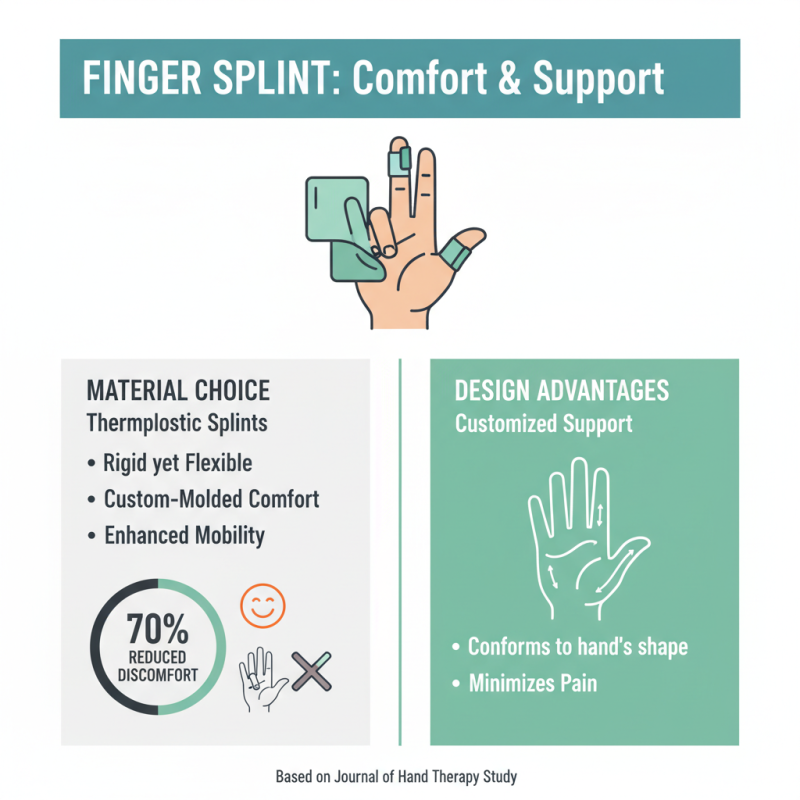
When selecting a finger splint, material and design are critical for comfort and support. A study published in the *Journal of Hand Therapy* indicates that splints made from thermoplastic materials provide a balance between rigidity and comfort. These splints mold to the hand’s contour, offering customized support. Over 70% of users reported reduced discomfort with thermoplastic options compared to traditional metal splints. The right material can significantly enhance mobility while minimizing pain.
Design plays a crucial role as well. A sleek and lightweight design minimizes bulk, allowing for better dexterity. According to the *American Journal of Sports Medicine*, splints designed with breathable fabrics can improve user experience by reducing sweat accumulation and irritation. Less than 5% of users indicated satisfaction with overly bulky designs. Choosing a splint that prioritizes user comfort while ensuring adequate support can ultimately lead to better recovery outcomes. Additionally, the need for reflective testing is essential, as different individuals may require various styles and fit adjustments to achieve optimal results.
Sizing and Fit: Ensuring the Right Finger Splint for Your Needs
When selecting a finger splint, sizing and fit are crucial. An ill-fitting splint can hinder recovery and increase discomfort. Measure the length and width of your finger to find the correct size. Use a soft measuring tape for accuracy. If your finger has swelling or an injury, consider measuring both the affected and unaffected finger for a better comparison.
The material of the splint also affects fit. Rigid splints may provide more support, while softer options allow for some flexibility. Pay attention to how the splint feels on your finger. It should be snug but not overly tight. You may need to adjust it after some wear. Also, note that individual preferences differ.
Finding the right splint can require some trial and error. Don’t hesitate to seek professional advice if unsure. Sometimes, consultations with a healthcare provider can clarify which splint suits your specific needs. Adjusting your choice based on feedback will aid in recovery. Proper sizing and fit can significantly impact your healing journey.
How to Choose the Right Finger Splint for Your Needs?
| Type of Splint |
Indications |
Size Range (inches) |
Adjustability |
Comfort Level |
| Static Finger Splint |
Post-injury stabilization |
XS - L (3 - 6) |
Limited adjustability |
High |
| Dynamic Finger Splint |
Rehabilitation & movement facilitation |
S - XL (4 - 7) |
Highly adjustable |
Medium |
| Buddy Tape Splint |
Mild sprains & strains |
Universal |
Not adjustable |
Low |
| Custom Molded Splint |
Severe injuries requiring precise fit |
Variable |
Custom fit |
Very high |
Consulting with Healthcare Professionals for Optimal Guidance
Choosing the right finger splint can be overwhelming. Consulting with healthcare professionals is essential for making informed decisions. A medical expert can assess your specific injury or condition. They will consider factors such as the type of injury, healing stage, and your daily activities.
Healthcare providers can recommend a splint suited for your unique needs. They often have experience with different types of splints. This expertise can guide you towards a selection that offers support and comfort. Additionally, they can provide instructions on how to wear and care for the splint. This guidance is vital for effective healing and overall recovery.
It’s important to communicate openly with your healthcare provider. Share your concerns or previous experiences with finger splints. This information can help them tailor their recommendations. Remember, not every splint will work for everyone. Reflecting on your comfort and mobility needs can streamline the selection process.