2026 How to Choose the Right Ankle Splint for Your Needs?
Choosing the right ankle splint can be challenging. Dr. Emily Harper, an orthopedic specialist, emphasizes, "The right support can accelerate recovery." With various options available, each splint serves a unique purpose.
Ankle splints stabilize the joint and limit movement after injury. They come in different designs, materials, and sizes. Some splints are rigid, while others are adjustable. It's important to assess your specific injury. Not all splints work for everyone.
Finding the perfect ankle splint takes time and consideration. You may need to try several options. Think about your lifestyle, level of activity, and comfort. Each detail matters. An ill-fitting splint can hinder recovery. Therefore, take the time to choose wisely.
Understanding Different Types of Ankle Splints: Which One is Right for You?
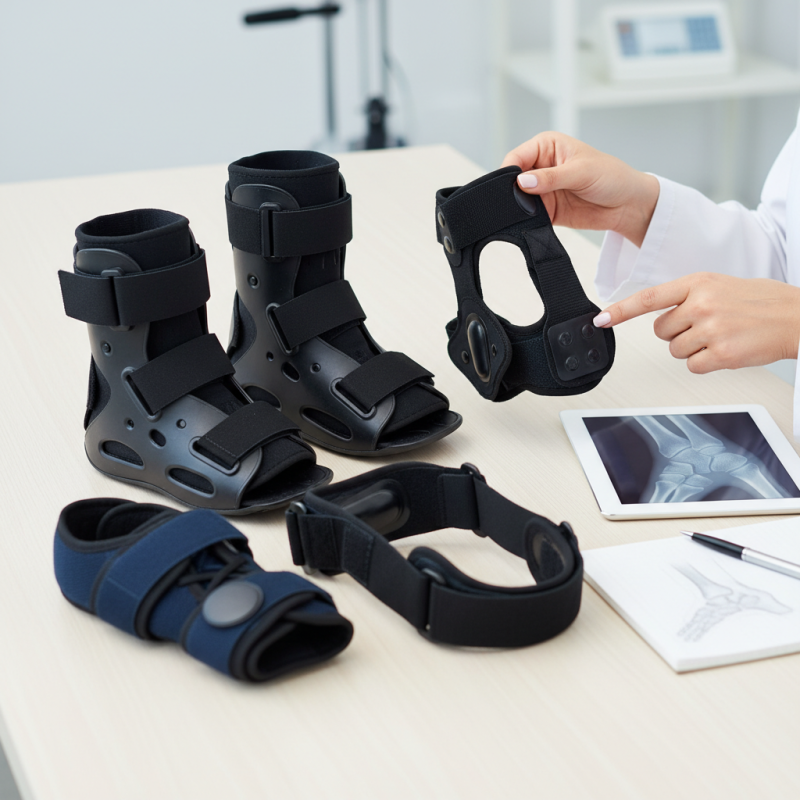
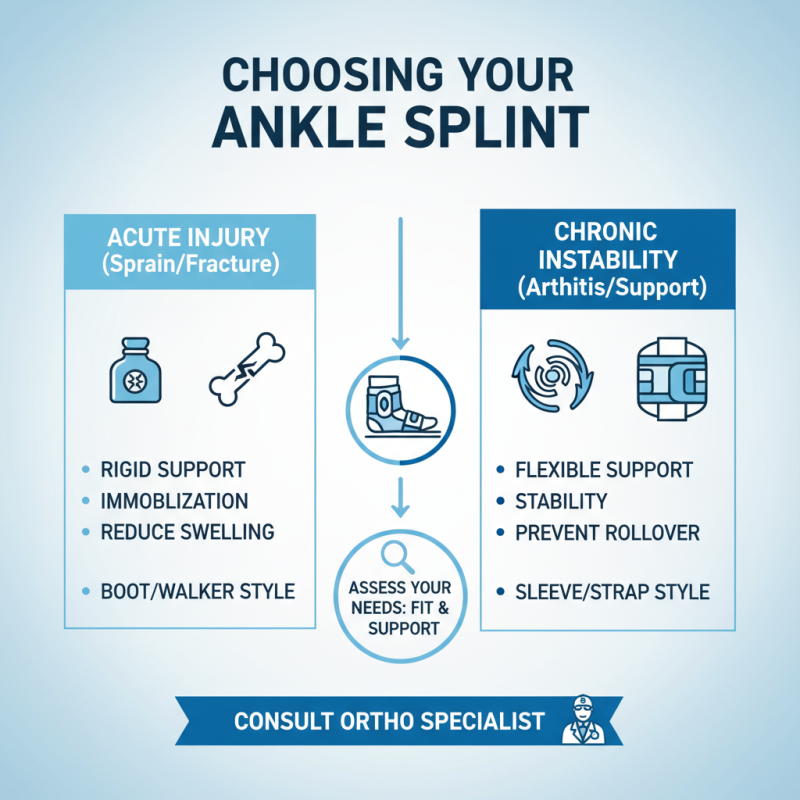
When choosing an ankle splint, understanding the types available is crucial. Not all splints serve the same purpose. Rigid splints are ideal for maximum support. They limit movement to promote healing. A study showed that rigid splints reduced recovery time by up to 20% in ankle sprain cases. However, they can feel restrictive.
Conversely, soft splints offer flexibility. They provide support while allowing some movement. Ideal for mild injuries, they help with comfort and mobility. A report from medical professionals indicated that patients often preferred soft splints due to enhanced comfort levels. However, the lack of restriction might delay full recovery.
Another option is the stirrup splint. It combines rigidity and flexibility. This type is beneficial for moderate injuries. Yet, users may struggle with the fitting process. Proper fit is essential; if it’s too loose or tight, it may hinder recovery. Each type has its pros and cons. Evaluating personal needs and injury severity is key in making the right choice.
2026 How to Choose the Right Ankle Splint for Your Needs?
| Type of Ankle Splint |
Material |
Indication |
Level of Support |
Comfort Level |
Price Range |
| Lace-Up Ankle Splint |
Fabric and Plastic |
Mild sprains, rehabilitation |
Moderate |
High |
$30 - $50 |
| Rigid Ankle Brace |
Plastic |
Severe sprains, fractures |
High |
Moderate |
$50 - $100 |
| Soft Ankle Support |
Neoprene |
Mild support, prevention |
Low |
Very High |
$15 - $30 |
| Air-Stirrup Brace |
Air Bladders and Fabric |
Post-injury recovery |
Moderate to High |
Moderate |
$40 - $70 |
Key Factors to Consider When Selecting an Ankle Splint for Injury Recovery
Choosing the right ankle splint can significantly impact your recovery from an injury. Several factors play a crucial role. It's essential to assess the type of injury you have. Different injuries require different levels of support. A sprain may need a lightweight splint, while a fracture might need a more rigid option.
Comfort is another key aspect. A splint should provide stability without causing pain or discomfort. Look for adjustable options. They allow a better fit. Padding can make a significant difference in comfort. A poorly fitting splint can hinder recovery.
Consider the material of the splint as well. Some are made from breathable materials, which are helpful for prolonged wear. Others might be bulkier but offer more protection. It’s a balance between support and comfort. Each choice reflects personal priorities and needs. Remember, no solution is one-size-fits-all. Testing a few options might be necessary to find the most suitable one.
Materials and Design: How They Influence Ankle Support and Comfort
When selecting an ankle splint, material and design are crucial. Different materials offer varying levels of support and comfort. For instance, rigid plastics provide strong support, ideal for serious injuries. They can restrict movement, but that’s sometimes necessary. Conversely, softer fabrics, like neoprene, allow more flexibility. They may feel more comfortable but might not offer the same stability.
The design of the splint also plays a key role. A well-designed splint contours to the ankle, enhancing comfort. Look for splints with adjustable straps. These allow for a personalized fit. This can make a huge difference during long wear. Think about breathability. Some materials trap heat, leading to discomfort. A splint that allows air circulation helps keep the ankle cool, especially in warmer weather.
Sometimes, it’s about trial and error. A splint that works for one person may not work for another. It’s okay to feel confused when making a choice. Reflecting on your personal needs can guide you. Remember to consider your activities and lifestyle. This will help you choose the best option for your ankle support and comfort.
Professional Recommendations: Insights from Orthopedic Specialists and Studies
Choosing the right ankle splint can be overwhelming for many. Orthopedic specialists often emphasize the importance of proper fit and support. They recommend assessing your specific needs first. Is your injury acute or chronic? This distinction impacts the type of splint you should choose.
Studies show that flexibility matters. A more flexible splint can provide comfort while still offering support. However, this can sometimes lead to more movement than desired. Your ankle needs stability during recovery. Listening to your body is crucial; if discomfort arises, reconsider your choice. Personal experiences vary widely. One person may find relief, while another remains frustrated. Reflecting on these experiences can guide you toward a better decision.
Seeking professional insights can also lead to better outcomes. Some specialists suggest trying different models before making a final choice. Often, it’s about balancing function and comfort. Keep in mind that an ideal splint isn't just about immediate relief; it should promote recovery in the long term. Each ankle injury is unique, and so too are the needs for support.
Common Misconceptions About Ankle Splints and Their Effectiveness
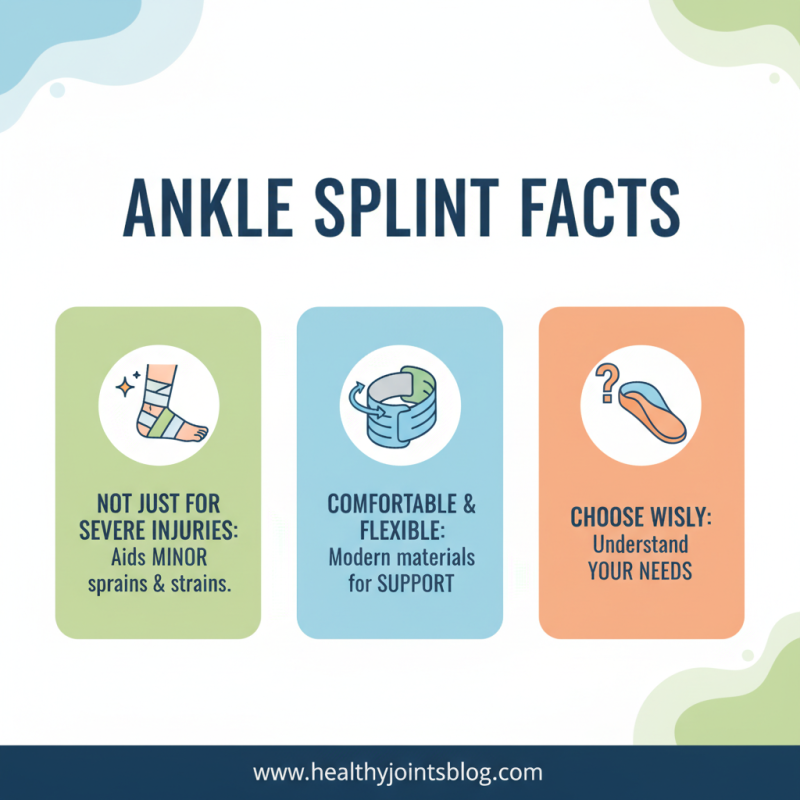
When considering ankle splints, many misconceptions linger. One common belief is that splints are only for severe injuries. In reality, they can aid even minor strains or sprains. People often think these devices are uncomfortable. However, modern materials offer flexibility without sacrificing support. Choosing the right splint means understanding your specific needs.
Tips: Always assess your comfort level with any splint. If it feels too tight or loose, it may not be right for you.
Another misconception involves the effectiveness of ankle splints. Some believe they weaken the muscles over time. In fact, when used correctly, splints can promote healing and provide necessary stability. Still, it's important to balance rest with gentle movement to avoid stiffness. Over-reliance on a splint might lead to a false sense of security.
Tips: Incorporate exercises to strengthen your ankle while wearing the splint. This can help maintain muscle tone and aid recovery.