How to Choose the Right Ankle Braces for Your Needs?
Choosing the right ankle braces can be challenging. Many options are available, and each serves a different purpose. It’s crucial to understand your specific needs before making a decision.
Ankle braces offer support and stability during physical activities. They can help prevent injuries or aid recovery. Athletes often rely on them for added protection during sports. Consider factors like the level of support you need.
Some individuals may prefer a lightweight brace for moderate support. Others might require a rigid brace for serious injuries. Reflect on your activities and lifestyle to find the best fit. Ankle braces should provide comfort while ensuring adequate protection.
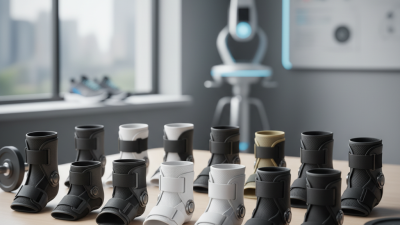
Understanding Different Types of Ankle Braces Available on the Market
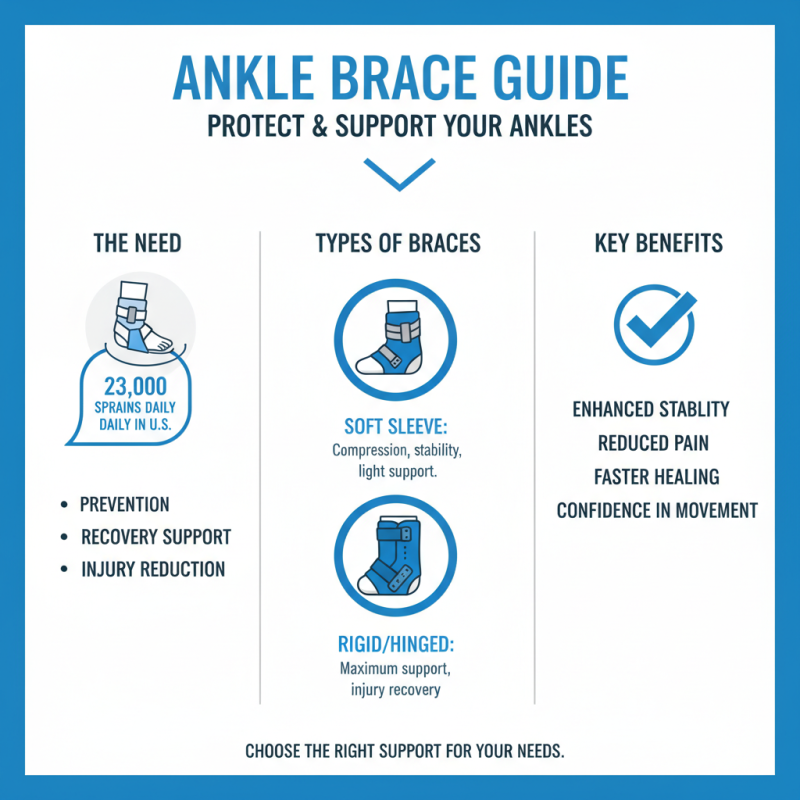
When it comes to choosing the right ankle braces, understanding the different types available is crucial. Studies indicate that approximately 23,000 ankle sprains occur each day in the United States alone. Ankle braces can help prevent injuries or offer support during recovery. They come in various designs, catering to different needs.
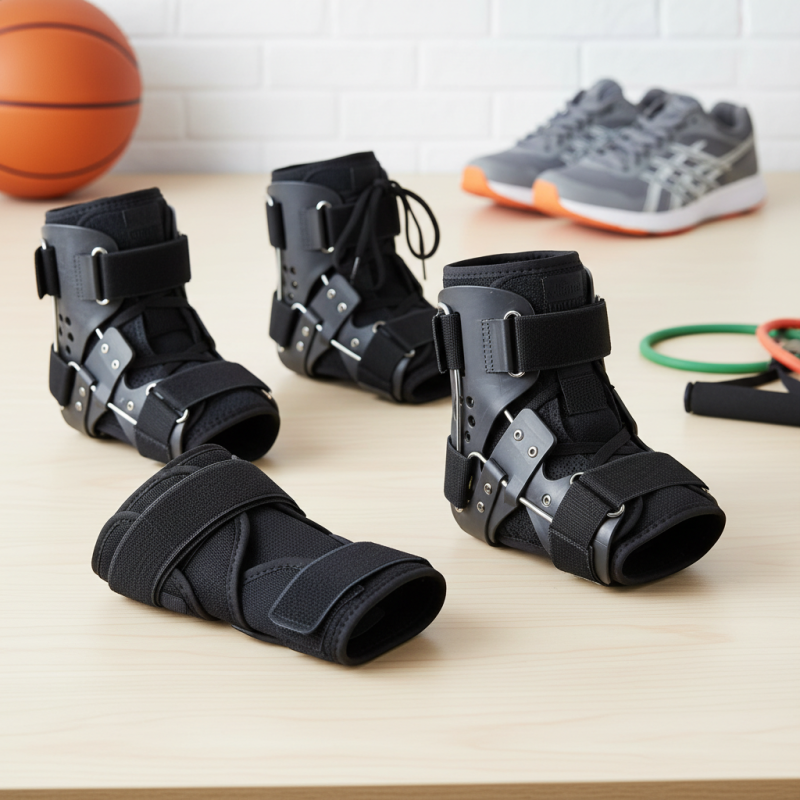
The most common type is the elastic ankle brace. These provide compression and mild support, ideal for minor injuries. They're lightweight and easy to wear. Another type is the lace-up brace. This design allows for adjustable support, making it suitable for more serious injuries. Recent reports suggest that lace-up braces reduce the risk of re-injury by up to 50% in athletes.
Rigid braces offer the highest level of support. They often combine strapping and hard materials to stabilize the joint. However, they can limit movement, which might feel uncomfortable for some users. It's important to note that not all braces fit well, and choosing the wrong size can lead to inefficiencies. Finding the right brace requires trial and error, and even small adjustments can make a significant difference in comfort and support.
Assessing Your Specific Needs: Injury, Support, or Prevention
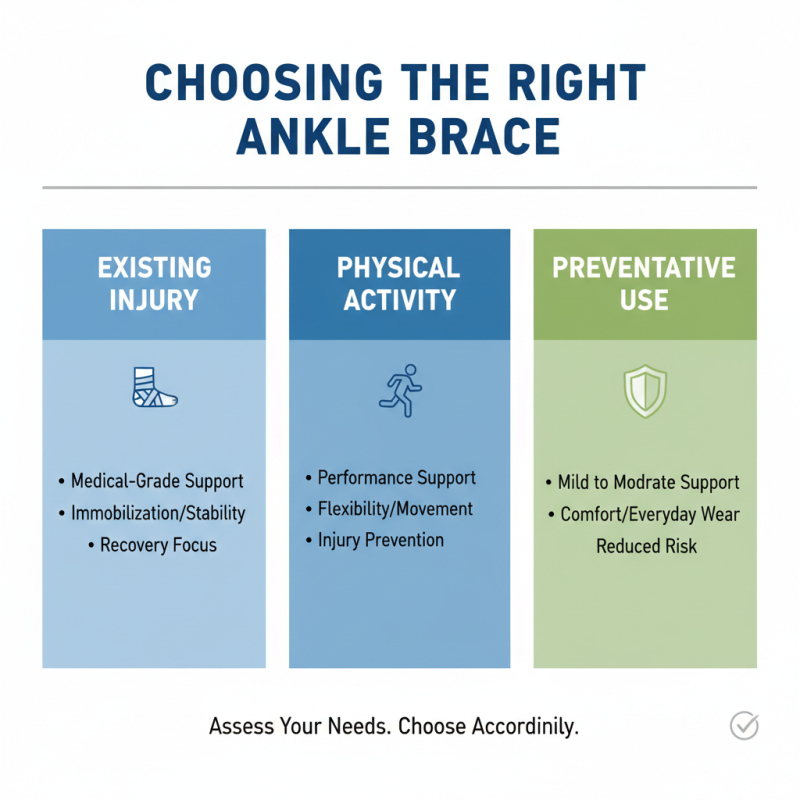
When choosing the right ankle brace, it is crucial to assess your specific needs. Are you dealing with an existing injury? Are you looking for support during physical activities? Or do you simply want to prevent future injuries? Each situation requires a different type of brace.
To address injury, look for braces that offer maximum stability. These are typically made from rigid materials to immobilize the joint. For support, you might consider a brace with elastic properties. This type provides compression while allowing some mobility, which can be beneficial for ongoing activities.
**Tip:** Always fit the brace properly. An ill-fitting brace can cause more harm than good.
Prevention is another vital factor. If your main goal is to avoid injuries during sports, choose a brace designed for that specific activity. These braces often have added features for shock absorption.
**Tip:** Consult with a healthcare professional. They can help identify the right type for your needs.
Remember, the perfect brace exists for everyone. However, finding it may require trial and error. Adjust your choice based on comfort and performance. It’s essential to listen to your body throughout this process.
Key Features to Look for When Choosing an Ankle Brace
Choosing the right ankle brace involves several key considerations. First, assess the level of support you need. A study published in the Journal of Sports Medicine revealed that 80% of athletes adjust their brace type based on activity level. For light activities, a sleeve may suffice. Meanwhile, for high-impact sports, a more rigid brace is essential.
Material is another crucial factor. Breathable fabrics can enhance comfort during prolonged use. According to a report from the National Institutes of Health, 60% of users prioritize comfort over stability. This indicates that the choice of materials should not be overlooked. Rigid braces, while supportive, can cause discomfort in long sessions. Striking a balance between support and comfort is vital.
Also, consider the brace's adjustability. A well-fitting brace can greatly impact performance. An improperly fitted brace may lead to additional injuries. Research shows that 40% of users experience issues from poor fit. Aim for a brace that offers adjustable straps and customizable support features. Reflect on these aspects to determine what fits best for your unique needs.
Sizing and Fit: Ensuring Comfort and Proper Support
When choosing ankle braces, sizing and fit are critical factors. A poorly fitting brace can lead to discomfort and reduced support. According to recent studies, over 50% of users experience irritation or pain due to incorrect sizing. It is essential to measure the ankle circumference accurately before making a purchase.
Consider the type of activities you’ll engage in while wearing the brace. Many users overlook this detail. A snug fit is vital for sports but may feel restrictive during everyday use. Aim for a size that provides a balance between tightness and comfort. It’s worth noting that approximately 70% of athletes report better performance with well-fitted braces.
Don’t forget to try the brace in your usual footwear. The fit should not compromise your movement. If a brace feels too rigid or too loose, re-evaluate your choice. Many users fail to consult size charts properly, leading to poor selections. Adjustability is also vital; look for models with customizable features. It allows for a tailored fit, especially when swelling occurs.
How to Choose the Right Ankle Braces for Your Needs?
This chart illustrates the average sizing preferences and fit ratings for ankle braces based on comfort, support, and user satisfaction. It can help you make an informed decision when selecting the right ankle brace for your needs.
Consulting Healthcare Professionals for Personalized Recommendations
Consulting healthcare professionals is crucial when choosing the right ankle braces. They can provide personalized guidance based on your specific condition. Ankle injuries affect millions each year. According to a study from the American Journal of Sports Medicine, 23,000 ankle sprains occur daily in the U.S. alone. A healthcare professional can analyze your injury history and recommend appropriate solutions.
Tips: Always describe your symptoms clearly. Be honest about your activity level. This helps in selecting the most suitable brace. Keep in mind that not every brace works for everyone. Some may find comfort in rigid support, while others prefer stability from a softer option. Understanding your unique needs is vital.
Consultation may reveal underlying issues. Sometimes, people overlook factors like muscle imbalances or improper gait. A comprehensive evaluation can uncover these concerns. Addressing them might enhance overall recovery. Relying solely on online recommendations can lead to errors in judgment. Taking a personalized approach ensures you find an ankle brace tailored to your life.
How to Choose the Right Ankle Braces for Your Needs?
| Type of Ankle Brace |
Support Level |
Material |
Ideal Use Case |
Size Range |
| Rigid Ankle Braces |
High Support |
Plastic and Foam |
Post-injury recovery |
S, M, L, XL |
| Elastic Ankle Braces |
Moderate Support |
Elastic Fabric |
Light sprains or during activities |
S, M, L |
| Ankle Wraps |
Variable Support |
Cotton and Velcro |
Preventive support during sports |
One size fits all |
| Stirrup Ankle Braces |
High Support |
Thermoplastic and Fabric |
Rehabilitation after severe sprains |
S, M, L, XL |
| Lace-up Ankle Braces |
High Support |
Nylon and Polyester |
Active sports and rehabilitation |
S, M, L |