Leave Your Message

How to Choose the Right Ankle Brace for Your Needs

Choosing the right ankle brace can significantly influence your recovery or performance. Ankle braces provide support and stability to those suffering from injuries or discomfort. Selecting the ideal brace, however, can be challenging.

There are numerous types of ankle braces available, each designed for different needs. Some offer rigid support, while others allow for more flexibility. It is crucial to assess your specific situation before making a decision. Consider your level of activity and any prior injuries.

The right ankle brace should fit snugly without causing discomfort. A brace that is too loose may not provide adequate support, while one that is too tight could lead to further issues. Reflect on your experiences to find the perfect balance for your needs. Remember, your comfort plays a vital role in your recovery journey.
How to Choose the Right Ankle Brace for Your Needs

Understanding the Different Types of Ankle Braces Available

How to Choose the Right Ankle Brace for Your Needs

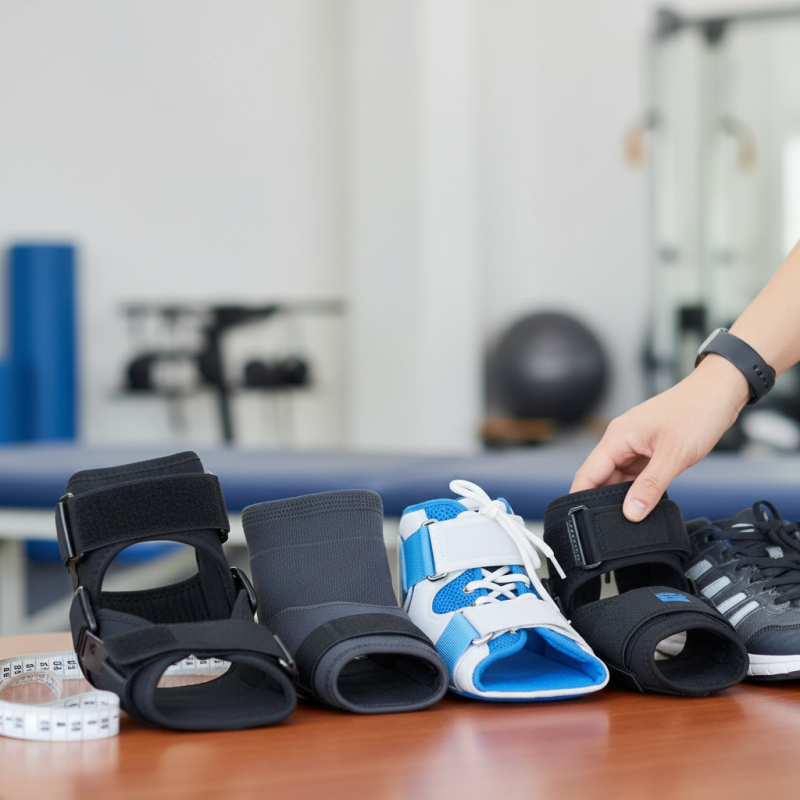
When it comes to ankle braces, understanding the different types available is crucial. There are several categories, including rigid, semi-rigid, and soft braces. Rigid braces offer maximum support, excellent for severe injuries. They limit movement, ensuring the ankle stays stable during recovery. According to a 2022 report from the Journal of Orthopedic Research, rigid braces can reduce the risk of reinjury by nearly 40%.

Semi-rigid braces provide a balance between support and mobility. They are great for athletes who need some flexibility while maintaining stability. A study from Sports Medicine found that semi-rigid braces can help enhance performance in sports like basketball and soccer, allowing athletes to return to action sooner. These braces often have a combination of plastic and fabric to offer both protection and comfort. Soft braces, on the other hand, are used for minor sprains or preventative measures. They are less restrictive but still offer some cushioning.

Choosing the right type depends on your needs. Some users might feel uncomfortable in a rigid brace and opt for a semi-rigid style instead. Personal preference plays a significant role. Individual comfort levels vary widely. It’s worth considering trying different styles before making a decision. The right brace should feel secure but not restrict your movement too much. Ultimately, finding a brace is a personal journey, and what works for one may not work for another.
Assessing Your Ankle Injury and Rehabilitation Needs

Assessing your ankle injury is crucial when choosing the right brace. Start by identifying the type of injury. Is it a sprain, strain, or fracture? Each requires different levels of support. Ankle braces come in various styles, such as rigid, semi-rigid, and soft. Determine your need based on the injury's severity and your activity level.

Tips: Think about comfort and fit. A brace that is too tight can restrict blood flow. One that is too loose may not offer adequate support. Additionally, consider the activities you plan to do while wearing the brace. High-impact sports may require more robust support.

After your injury, rehabilitation plays a key role. It’s important to engage in strengthening and stability exercises. Don’t rush the recovery process. A stronger ankle will reduce the risk of re-injury. Take the time to reflect on your progress and adjust your brace choice as needed. Regular assessment will guide your healing journey effectively.

How to Choose the Right Ankle Brace for Your Needs - Assessing Your Ankle Injury and Rehabilitation Needs

Injury Type Recommended Brace Type Level of Support Indications for Use
Sprains Compression Brace Moderate Recovery from mild to moderate sprains.
Tendonitis Heel and Ankle Support Brace Moderate to High Support during healing and activity.
Fractures Rigid Brace High Post-injury stabilization and recovery.
Chronic Instability Stabilizing Brace High Daily wear to prevent re-injury.
Post-Surgery Post-Operative Brace Very High For immobilization post-surgery.

Factors to Consider When Selecting an Ankle Brace

Choosing the right ankle brace can feel overwhelming. There are many factors to consider before making your purchase. Think about the type of support you need. Do you require mild compression or maximum stability? Different conditions require different levels of support.

Comfort is key. An ankle brace should fit snugly without causing pain or irritation. Look for breathable materials to enhance comfort. Adjustable straps can help tailor the fit to your unique needs. Remember, a brace that fits poorly may worsen your condition rather than help it.

Consider the brace's intended use. Will you wear it during sports or just for everyday activities? Some braces are designed for high activity levels, while others are better suited for rest and recovery. Reflect on your lifestyle and needs. This will guide you to the right choice.

How to Properly Fit and Wear an Ankle Brace for Effectiveness

When fitting an ankle brace, proper sizing is essential for effectiveness. Measure your ankle circumference and compare it to the size chart provided with the brace. A poorly fitted brace can cause discomfort and may not provide adequate support. If it feels too tight or too loose, consider trying another size.

Tips: Always wear the brace over a thin sock for comfort. Check the brace frequently to ensure it hasn’t shifted out of place while moving. A snug fit is good, but it shouldn’t feel restrictive. Many users report changing sizes after using their brace for a while. This is normal and worth noting.

When wearing the brace, make sure to adjust the straps for a secure fit. Too much movement can lessen the support the brace offers. If you feel pain during wear, it's worth reevaluating the fit. Some find that adding extra padding improves comfort, while others prefer a minimalist approach. Each person’s needs are different. Always listen to your body.

Choosing the Right Ankle Brace: Effectiveness by Type

Maintenance and Care Tips for Your Ankle Brace

How to Choose the Right Ankle Brace for Your Needs

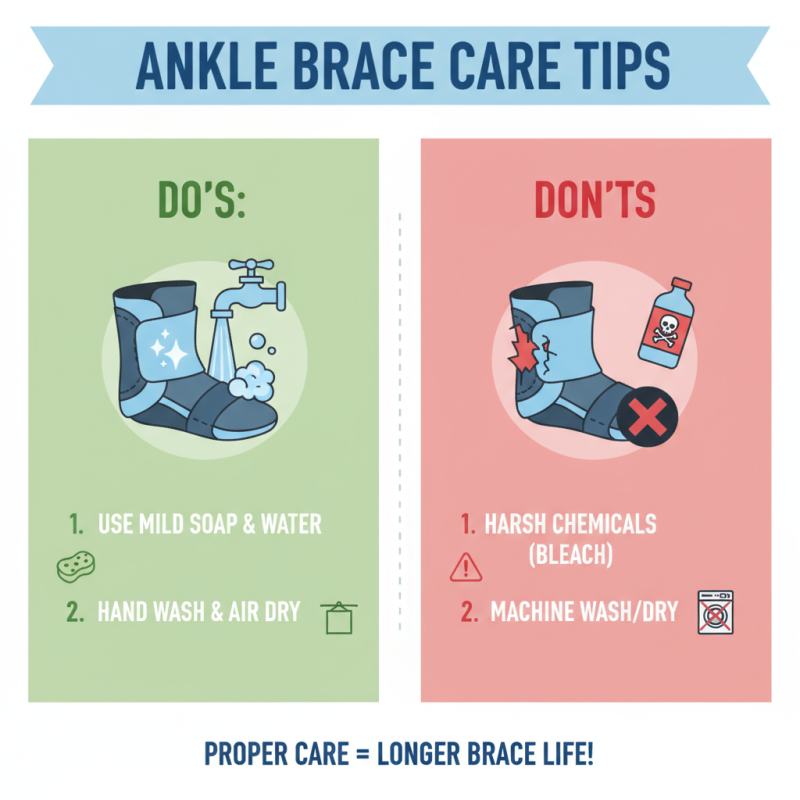
Taking care of your ankle brace is crucial for its longevity. It's not always easy to remember the proper cleaning methods. One common mistake is using harsh chemicals. Instead, opt for mild soap and water. This gentle approach keeps the materials intact. Many people overlook this step and end up damaging their brace.

Storage is another key aspect. A lot of users toss their brace into a drawer. This can lead to bending and deformity. Store your brace in a cool, dry place. It’s best to keep it flat or in a breathable bag. Regularly check for wear and tear. Look for frayed straps or weakened elastic. Address any issues before they worsen.

Lastly, remember to air it out after use. Sweat builds up can lead to odors. If you often use the brace, hang it up to dry. This simple habit can extend its life. Sometimes we forget the basics in the rush of daily life. Embrace these maintenance tips for better performance. Adjusting your routine can be a game changer.