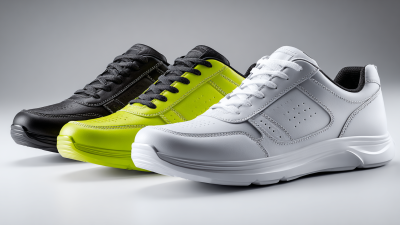
How to Choose the Best Orthopedic Shoes for Your Comfort and Health?
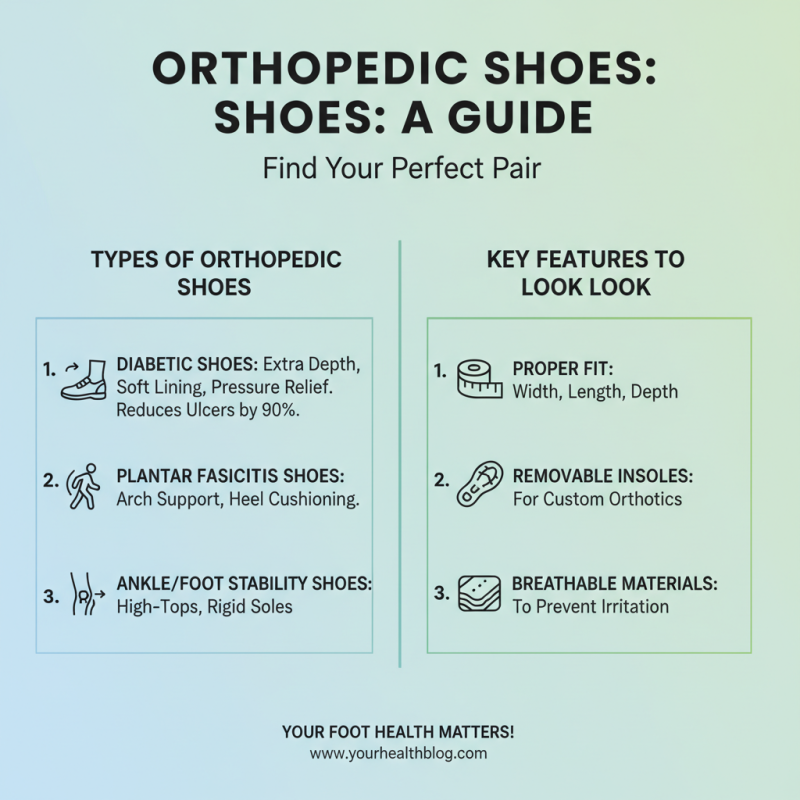
Choosing the right orthopedic shoes can significantly impact your daily comfort and overall health. Many people overlook this critical aspect of footwear. Orthopedic shoes are designed to support the structure of the foot. They provide relief from pain, improve posture, and enhance mobility. However, not all orthopedic shoes are created equal.
When searching for the best pair, consider your specific needs. Think about the foot conditions you might have. High arches or flat feet require different support. It's essential to try on various styles and brands. What feels good for one person might not suit another. Additionally, the shoe's fit should be snug but not tight.
Many brands claim to offer comfort but may not deliver. This mismatch may lead to discomfort or even injury. Take your time to explore options. A good pair of orthopedic shoes should feel like a comforting embrace for your feet. Reflect on your experiences; have previous purchases let you down? Your feet deserve the best care possible.
Factors to Consider When Choosing Orthopedic Shoes for Comfort
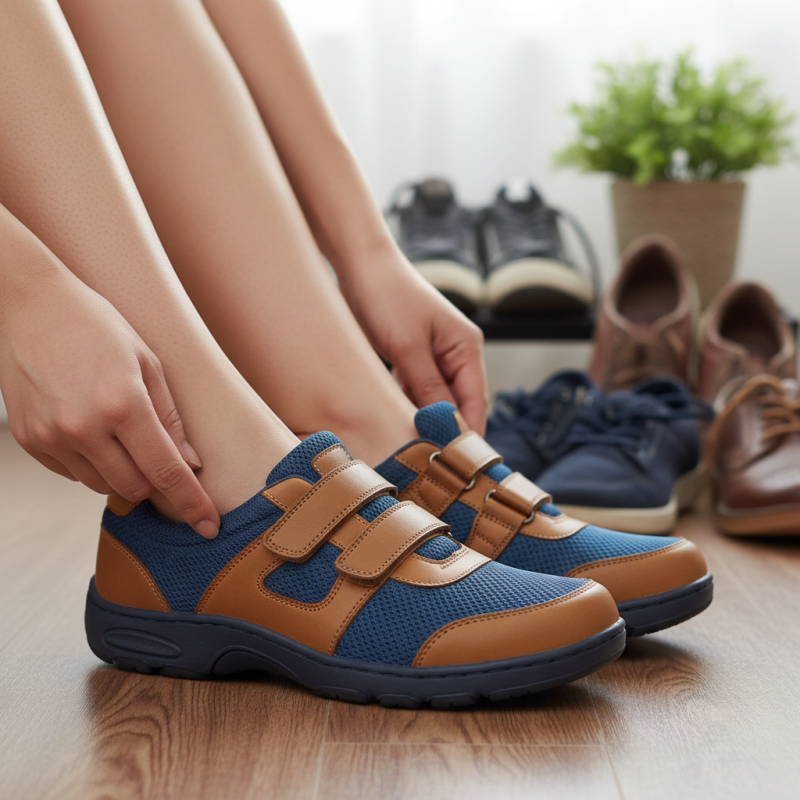
Choosing orthopedic shoes isn't just about style. Comfort and health are critical. When selecting a pair, consider your specific foot needs. Analyze your foot type. Are you flat-footed or have high arches? This plays a huge role in your overall comfort.
Cushioning is another vital factor. Look for shoes with sufficient padding to support your feet. A well-cushioned shoe can reduce impact, which is essential during movement. Don't overlook the shoe's width. A proper fit prevents blisters and discomfort. Remember, a snug fit is crucial, but it shouldn't be too tight.
Lastly, check the soles. A solid and durable sole offers stability. Tread patterns can also affect balance, especially on uneven surfaces. Take your time while trying on different pairs. Walk around. Feel the difference. Sometimes, the perfect fit isn't obvious at first glance. Reflect on your choices. Seek advice if needed. Comfort is about listening to your body and finding what truly works for you.
How to Choose the Best Orthopedic Shoes for Your Comfort and Health?
| Factor |
Description |
Importance |
| Arch Support |
Supports the arch of the foot to reduce strain. |
High |
| Cushioning |
Provides shock absorption to reduce impact on joints. |
High |
| Fit |
Ensures the shoes are snug but not tight, allowing for natural foot movement. |
Very High |
| Material |
Breathable and durable materials provide comfort and longevity. |
Medium |
| Heel Height |
Appropriate heel height is necessary for proper posture and stability. |
High |
| Weight |
Lightweight shoes reduce fatigue during prolonged wear. |
Medium |
| Arch Type |
Different arch types (high, medium, low) require specific shoe designs. |
Very High |
| Toe Box Space |
Sufficient space prevents crowding and promotes comfort. |
High |
Importance of Arch Support in Orthopedic Shoe Design
Choosing orthopedic shoes can be challenging. One of the key aspects to consider is arch support. Proper arch support helps align your feet better. It can reduce strain on your joints. Without it, you may experience discomfort and fatigue.
Many shoes lack adequate arch support. This may lead to foot problems over time. A shoe with good arch support cradles your foot. It can help distribute your weight evenly. You might notice immediate relief after wearing supportive shoes. However, not every design fits all foot types. Trying different styles is essential.
While seeking the perfect fit, consider your daily activities. For instance, if you stand for prolonged periods, look for shoes that offer more cushioning. Pay attention to how your feet feel at the end of the day. Are they sore? Reflect on your choices. Sometimes, the right shoe makes all the difference.
Evaluating Fit and Sizing for Optimal Orthopedic Shoe Performance
Finding the right fit is crucial when selecting orthopedic shoes. You want them to be snug but not too tight. A well-fitted shoe will support your arches and provide cushion. Many people overlook the importance of trying shoes with the type of socks you'll wear. This can drastically change the fit.
When evaluating size, choose a shoe that allows for some wiggle room. Your toes should not feel cramped. Consider that your feet may swell during the day. It’s wise to shop for shoes in the afternoon when your feet are at their largest. However, not everyone does this. Many people stick to morning purchases and regret it later.
Measure both feet, as they can differ in size. This is often ignored, leading to discomfort down the line. Don't shy away from returning shoes that don't fit well. It can take time to find the perfect match. A thoughtful approach toward sizing can prevent aches and support long-term health.
Materials Used in Orthopedic Shoes and Their Impact on Health
When selecting orthopedic shoes, the materials play a critical role. Natural materials like leather and breathable fabrics help keep feet dry and reduce the risk of fungal infections. The American Podiatric Medical Association emphasizes that appropriate footwear can minimize foot discomfort and musculoskeletal issues. Poor material choices can lead to blisters or calluses.
EVA (Ethylene Vinyl Acetate) is a popular choice. It's lightweight, flexible, and offers shock absorption. Studies show that shoes with cushioning can reduce impact during walking. However, not all cushioning materials are created equal. Some may wear out quickly, leading to inadequate support over time.
In a recent study, nearly 70% of participants reported improvement in foot pain when switching to shoes made from high-quality, supportive materials. Yet, many still overlook the importance of fit and support, prioritizing style over comfort. This oversight can exacerbate health issues, leading to lasting damage. Making informed choices based on material and support quality is key to ensuring comfort and health in footwear.