2025 How to Choose the Right Orthopedic Braces for Your Needs
When it comes to maintaining mobility and alleviating pain, choosing the right orthopedic braces can make all the difference. Dr. Emily Carter, a leading orthopedic specialist with over fifteen years of experience in the field, emphasizes, "The proper use of orthopedic braces not only supports injured areas but also facilitates a faster recovery process." With advancements in technology and a plethora of options available, it can be daunting for patients to discern which brace best suits their individual needs.
Understanding the various types of orthopedic braces and their specific applications is essential for anyone considering their options. From ankle supports to knee braces, each design serves a unique purpose tailored to different conditions. An informed choice can enhance stability, improve function, and significantly contribute to the healing process. As we delve into the intricacies of selecting orthopedic braces, we aim to provide insights into what factors to consider, ensuring that you find the most suitable solution tailored for your needs.
Understanding the Different Types of Orthopedic Braces Available
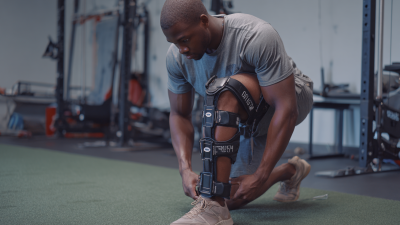
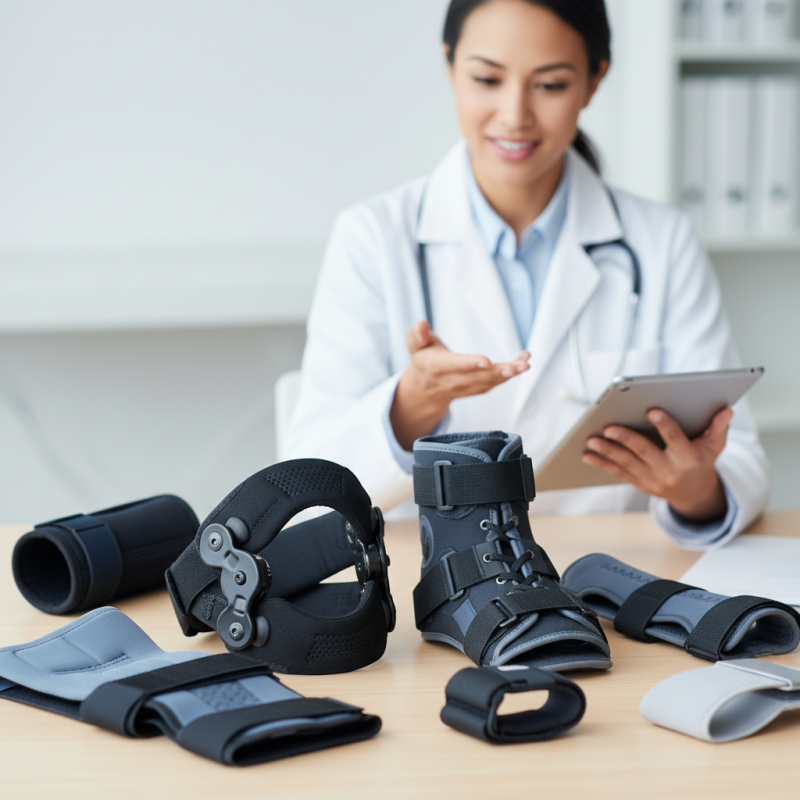
When selecting the right orthopedic braces, it's essential to understand the various types available on the market. According to a report by the American Academy of Orthopaedic Surgeons, there are commonly four types of orthopedic braces: functional, rehabilitative, preventative, and corrective. Functional braces are designed to support and stabilize injured areas, particularly during sports or physical activities, while rehabilitative braces aid recovery by limiting harmful movements following surgery or injury.
Recent data from the Orthopedic Research Society indicates that preventative braces are gaining popularity, especially among athletes. They are designed to reduce the risk of injuries during high-risk activities, particularly in sports like football and basketball. Corrective braces, on the other hand, are used for long-term conditions such as scoliosis, and they aim to realign the body over time. With a broad range of options, understanding these categories can greatly enhance the process of choosing the appropriate brace for specific needs, improving both recovery and performance outcomes.
2025 Orthopedic Braces Usage by Type
Assessing Your Specific Medical Condition and Needs
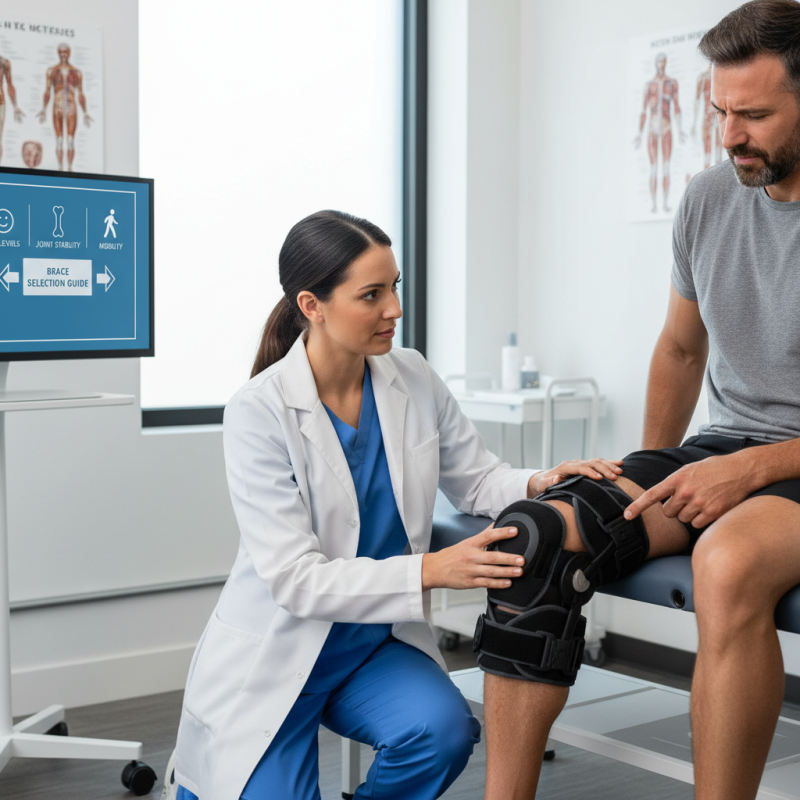
When choosing orthopedic braces, the first step is to assess your specific medical condition. Different conditions, such as ligament injuries, arthritis, or post-surgical recovery, require different support levels and brace types. Consulting with a healthcare professional is crucial, as they can provide a comprehensive evaluation of your injury or condition. This evaluation should include an assessment of pain levels, joint stability, and mobility, which will guide your decision on the most suitable brace.
Understanding your lifestyle is also essential in selecting the right orthopedic brace. Consider factors such as your daily activities, the extent of your injury, and personal preferences regarding brace comfort and aesthetics. For instance, someone who leads an active lifestyle might need a lighter, more flexible brace, while another who requires rigid support for recovery may opt for a sturdier option. Evaluating both your medical needs and lifestyle will ensure you choose a brace that not only offers effective support but also fits seamlessly into your daily routine.
Key Features to Consider When Selecting Orthopedic Braces
When selecting orthopedic braces, it is crucial to consider several key features to ensure you choose the right one for your needs. First and foremost, the type of support required is essential, as braces vary significantly in design and purpose. For instance, braces can provide compression, stabilization, or range of motion control, depending on the injury or condition being treated. According to industry projections, the orthopedic braces and supports market is expected to grow from $2.20 billion in 2023 to $2.97 billion by 2030, reflecting an increasing demand for personalized support options.
Additionally, size and fit are fundamental factors; a poorly fitting brace can hinder recovery or lead to further complications. It's advisable to measure the affected area accurately and consult sizing charts provided by manufacturers to achieve the best fit. Experts recommend trying on different styles and brands when possible, as comfort levels can vary.
Tips: Always consult with a healthcare professional to determine the specific type of brace that best addresses your condition. Look for braces that offer adjustable features for a customized fit, and consider materials that provide breathability and moisture-wicking properties to enhance comfort during use.
Tips for Finding the Right Fit and Comfort in Braces
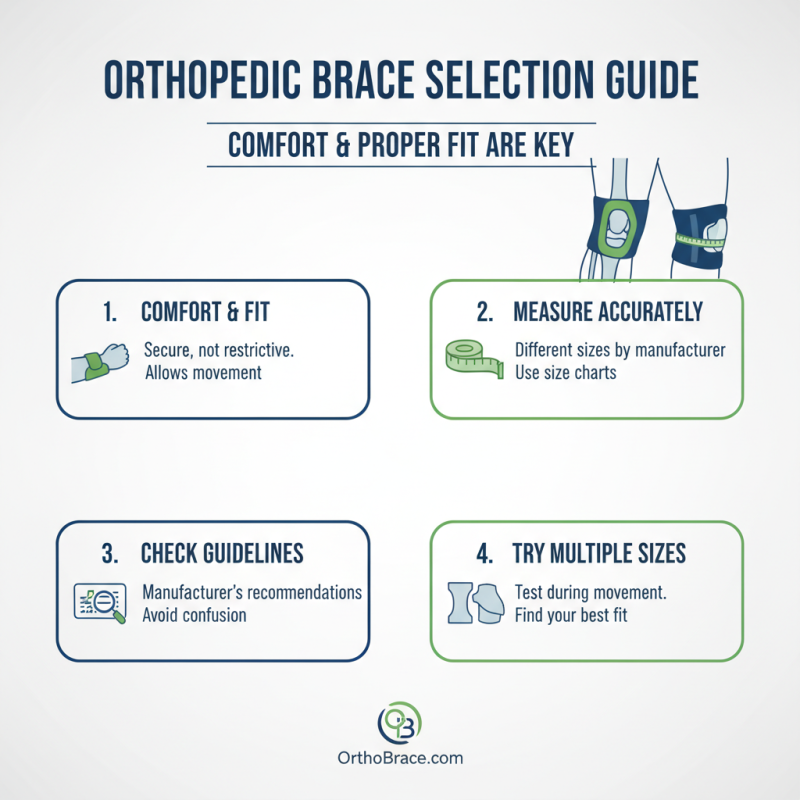
When selecting orthopedic braces, comfort and proper fit are paramount. A well-fitted brace should feel secure but not restrictive. Measure the affected area meticulously to ensure accuracy, as different manufacturers may have varying sizing charts. It's often helpful to refer to size guidelines provided by the manufacturer to avoid confusion. Trying on multiple sizes may also be beneficial, as it helps in understanding how each brace feels during movement.
Additionally, consider the materials used in the brace construction. Lightweight, breathable fabrics can significantly enhance comfort, especially during extended wear. Look for braces that have adjustable features, such as straps or velcro, allowing for a customized fit that accommodates swelling and movement. Engaging with healthcare professionals, such as physical therapists or orthopedic specialists, can provide valuable insights into which type of brace offers the best support for your specific condition while ensuring that comfort does not compromise the functionality of the brace.
Consulting Healthcare Professionals for Expert Guidance on Braces
When selecting orthopedic braces, consulting healthcare professionals is crucial to ensure a tailored approach to individual needs. According to a report by the American Academy of Orthopaedic Surgeons, nearly 30% of patients using orthopedic devices experience challenges due to improper fit or unsuitable brace type. This highlights the importance of professional guidance in optimizing brace selection to enhance recovery and prevent further injury.
Healthcare professionals, including orthopedic surgeons and physical therapists, possess specialized knowledge that can significantly impact brace effectiveness. A study published in the Journal of Orthopedic Research indicates that patients who receive recommendations from these experts report a 40% higher satisfaction rate with their braces. By discussing specific conditions, activity levels, and personal lifestyle needs with practitioners, patients can make informed decisions that align with their rehabilitation goals, ultimately leading to better outcomes and improved quality of life.