Why Choose a Lumbar Back Brace for Pain Relief?
When considering solutions for back pain, many people overlook the effectiveness of a Lumbar Back Brace. Dr. Sarah Collins, an expert in spinal health, says, "A Lumbar Back Brace can provide essential support for individuals suffering from lower back pain." This statement highlights the importance of lumbar support in daily activities and recovery.
A Lumbar Back Brace can alleviate pain while maintaining mobility. It stabilizes the lower back, allowing users to move without fear of exacerbating their condition. The challenge lies in choosing the right brace. Some may feel uncomfortable or restrictive. Finding the perfect fit is essential for success.
Moreover, this brace should not be seen as a permanent solution. It works best when combined with physical therapy and proper exercise. Relying solely on a brace can lead to muscle weakness over time. It's crucial to reflect on how we perceive pain relief and the tools we use to combat it.
Benefits of Using a Lumbar Back Brace for Pain Relief
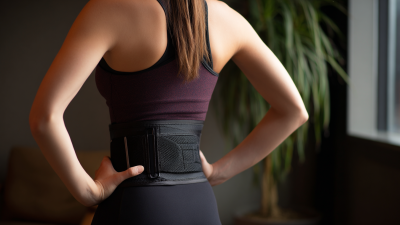
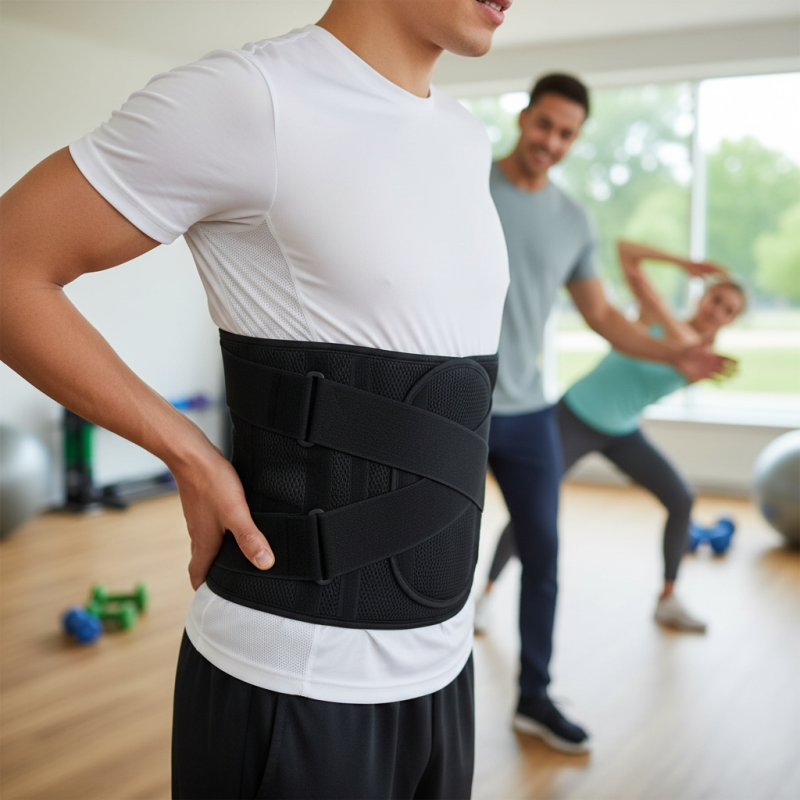
A lumbar back brace can be a valuable tool for managing pain. These braces provide support to the lower back, helping to alleviate pressure on discs and nerves. Many people find immediate relief when wearing one. The brace gently stabilizes the spine, making movements more comfortable. This can aid in daily activities, reducing the fear of pain.
Another key benefit is improved posture. Slouching can lead to increased discomfort over time. By promoting proper alignment, a lumbar brace encourages a healthier stance. This adjustment can be particularly beneficial during long hours of sitting. However, it's essential to remember that over-reliance on a brace may weaken core muscles. Regular exercise and strengthening routines are still vital components of back care.
Lastly, using a lumbar brace can serve as a reminder to take breaks. Pain often arises when we push our limits. Listening to our bodies is crucial. While a brace can support, self-awareness and gentle stretching should accompany its use. Balancing support with mobility might be the key to long-term pain management.
How a Lumbar Back Brace Supports Spinal Alignment
A lumbar back brace can significantly enhance spinal alignment. Proper alignment is crucial for preventing pain and promoting overall health. According to the National Institute of Neurological Disorders and Stroke, lower back pain affects about 80% of adults at some point. This high statistic highlights the need for effective support mechanisms, such as lumbar braces.
These braces provide targeted compression to the lower back. This pressure can help realign the spine during daily activities. In a study published by the Journal of Orthopaedic Research, participants who wore lumbar braces reported a 40% reduction in pain after eight weeks. Such evidence suggests that they assist in stabilizing the lumbar region, allowing for better posture.
However, reliance on a brace can lead to weakness in core muscles over time. Users should incorporate exercises to strengthen these areas. Balancing support from braces with muscle training is critical. Regular reassessment of posture is also necessary. A brace alone cannot replace the role of physical strength and awareness in spinal health.
Types of Lumbar Back Braces and Their Features
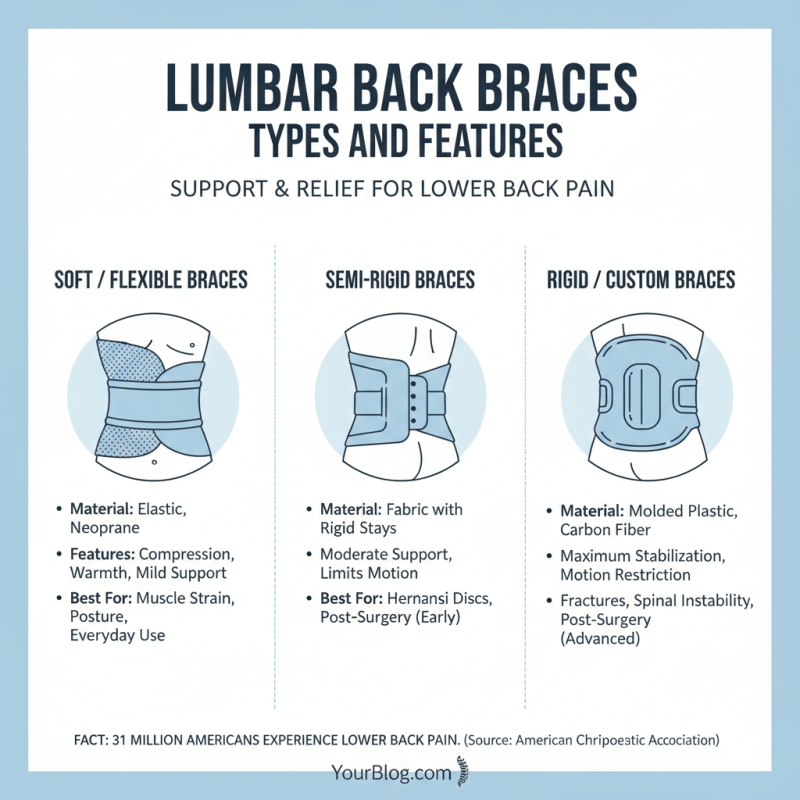
When considering lumbar back braces, it’s vital to understand the types available. Each design serves specific needs. According to a report by the American Chiropractic Association, around 31 million Americans experience lower back pain. Lumbar braces can help support the back, offering relief while improving posture.
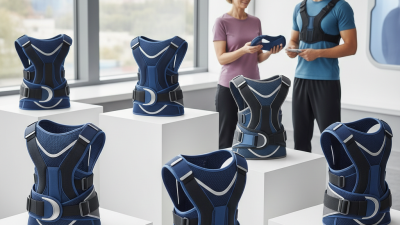
There are several types of lumbar back braces. Rigid braces provide maximum support. They limit movement and are often recommended post-injury. Flexible braces, on the other hand, offer slight support while allowing for more mobility. They’re ideal for chronic pain sufferers who need some flexibility. A study published in the Journal of Pain Research noted that wearing a lumbar brace can reduce pain levels by 20% to 30%.
One common issue is that many users may over-rely on these braces. This dependency can weaken core muscles over time. The goal should always be to find a balance. Regular physical therapy can complement brace use. Listening to your body is crucial. Each individual's journey with back pain is unique.
Tips for Choosing the Right Lumbar Back Brace
When choosing a
lumbar back brace, it’s important to consider your specific needs. A good brace should provide
support where you most need it. Look for one that fits snugly but isn’t too tight. It should allow for some movement.
Comfort matters, especially if you plan to wear it all day.
Check the
material of the brace.
Breathable fabrics can prevent overheating. Some bracing systems have adjustable compression.
This feature can help customize support based on your comfort level. It’s okay to try different styles. What feels right for one person may not work for another.
Be aware of
sizing. A well-fitted brace is essential for effectiveness. Often, people choose the wrong size,
leading to more discomfort. Think about your daily activities too. A brace that works for sitting may not work for active sports.
Reflect on how you intend to use your brace for the best results.
Proper Usage and Maintenance of Lumbar Back Braces
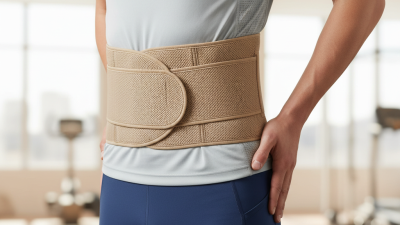
Using a lumbar back brace properly can significantly enhance its effectiveness in managing pain. When you wear a brace, ensure it fits snugly but comfortably. It shouldn’t cause discomfort or restrict your movement too much. Wearing it too tightly can lead to additional pain. Adjust it to your body shape for best results.
Maintenance of your lumbar brace is crucial for longevity. Regularly check for signs of wear or damage. If the fabric frays or the straps lose elasticity, consider replacing it. Clean the brace according to the manufacturer's instructions to keep it sanitary. A dirty brace can harbor bacteria, leading to skin issues.
Tips: Always take breaks from wearing the brace. Prolonged use can weaken your core muscles. Incorporate core-strengthening exercises into your routine. Listen to your body. If the brace causes increased pain, re-evaluate how you are wearing it. Reflection on your usage can help you achieve optimal results.
Why Choose a Lumbar Back Brace for Pain Relief? - Proper Usage and Maintenance of Lumbar Back Braces
| Feature |
Description |
Usage Tips |
| Pain Relief |
Reduces strain on lower back muscles. |
Wear whenever engaging in activities that may aggravate pain. |
| Posture Support |
Encourages proper spinal alignment. |
Use while sitting for long periods or during manual work. |
| Adjustable Fit |
Customizable size for comfort and support. |
Adjust straps for a snug fit without cutting off circulation. |
| Breathable Material |
Made from materials that allow airflow. |
Use in warm environments to avoid discomfort. |
| Durability |
Built to withstand regular use. |
Inspect regularly for wear and tear. |
| Maintenance |
Easy to clean and maintain. |
Follow manufacturer's cleaning instructions to ensure longevity. |