Leave Your Message

How to Choose the Best Knee Stabilizer for Pain Relief and Support

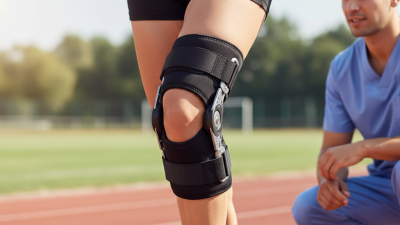
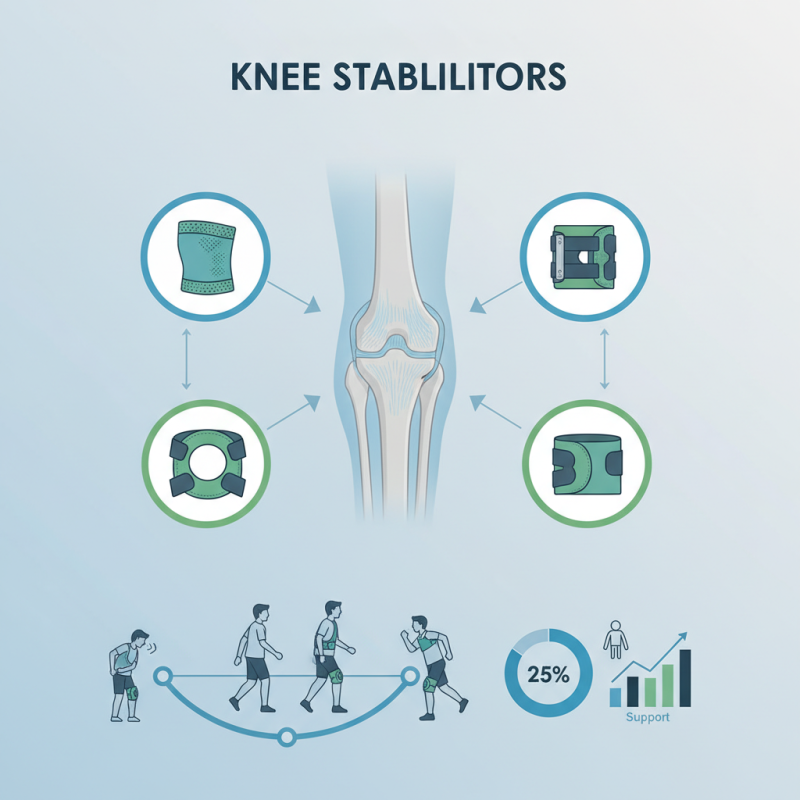
The prevalence of knee pain has become a significant concern in today's society, with reports indicating that over 25% of adults experience chronic knee issues, often impacting their daily activities and quality of life. As such, choosing the right Knee Stabilizer for pain relief and support is essential for individuals seeking to regain mobility and reduce discomfort. According to Dr. Emily Carter, a renowned orthopedic specialist, "A well-fitted Knee Stabilizer can provide the necessary support to alleviate pain and enhance recovery for those suffering from various knee ailments."

Research from the American Academy of Orthopaedic Surgeons suggests that the appropriate use of knee braces can not only improve functionality but also play a crucial role in rehabilitation post-injury. Patients often report significant improvements in their ability to engage in physical activities when using a suitable Knee Stabilizer, highlighting the importance of understanding the different types available and their specific benefits. As the demand for effective solutions continues to rise, understanding how to choose the best Knee Stabilizer becomes imperative for both healthcare professionals and patients alike, ensuring optimal support and pain management.
How to Choose the Best Knee Stabilizer for Pain Relief and Support

Understanding the Purpose of a Knee Stabilizer for Pain Relief

How to Choose the Best Knee Stabilizer for Pain Relief and Support

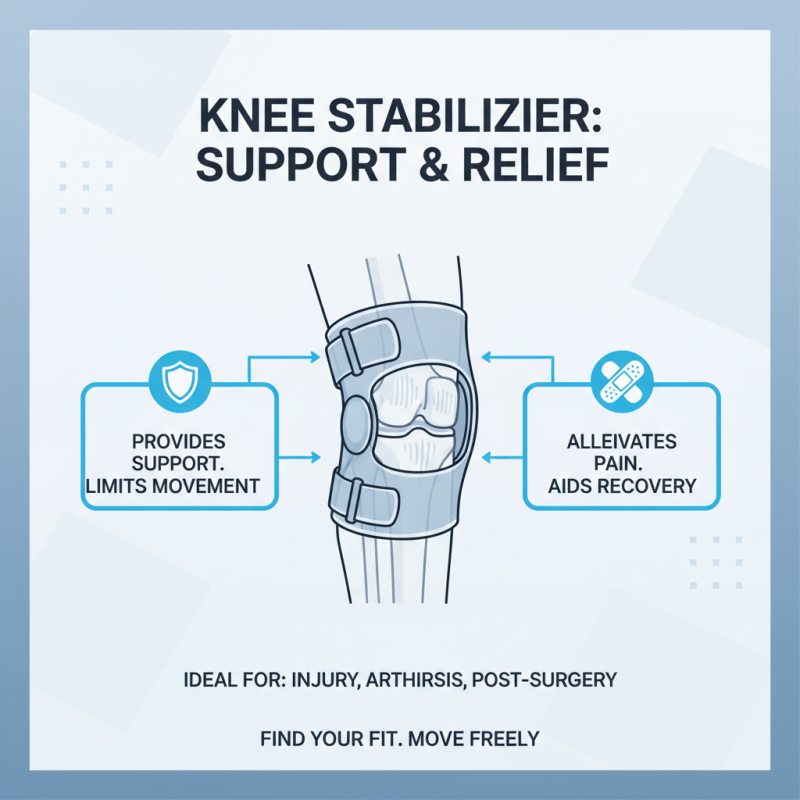
A knee stabilizer is designed primarily to provide support and alleviate pain for individuals experiencing discomfort or instability in the knee joint. Understanding its purpose is essential when choosing the right stabilizer for your needs. These devices typically help by immobilizing the knee to prevent excessive movement, which can lead to further injury or aggravation of existing conditions. They can be particularly beneficial for those recovering from injuries, surgery, or dealing with chronic knee issues such as arthritis.

In addition to physical support, knee stabilizers can play a crucial role in pain management. By distributing weight evenly across the knee joint, they reduce the stress placed on painful areas, thus minimizing discomfort during everyday activities. For individuals who engage in sports or strenuous physical activities, a knee stabilizer provides an added layer of security, allowing for greater mobility while simultaneously protecting against strains or sprains. Understanding these benefits can guide individuals in selecting the appropriate knee stabilizer that aligns with their specific requirements, ultimately promoting healing and enhancing mobility.
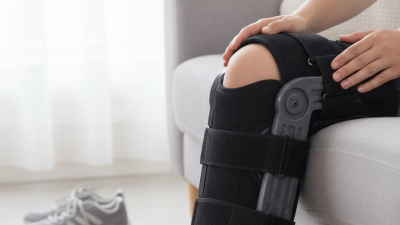
Types of Knee Stabilizers: A Comprehensive Overview

How to Choose the Best Knee Stabilizer for Pain Relief and Support

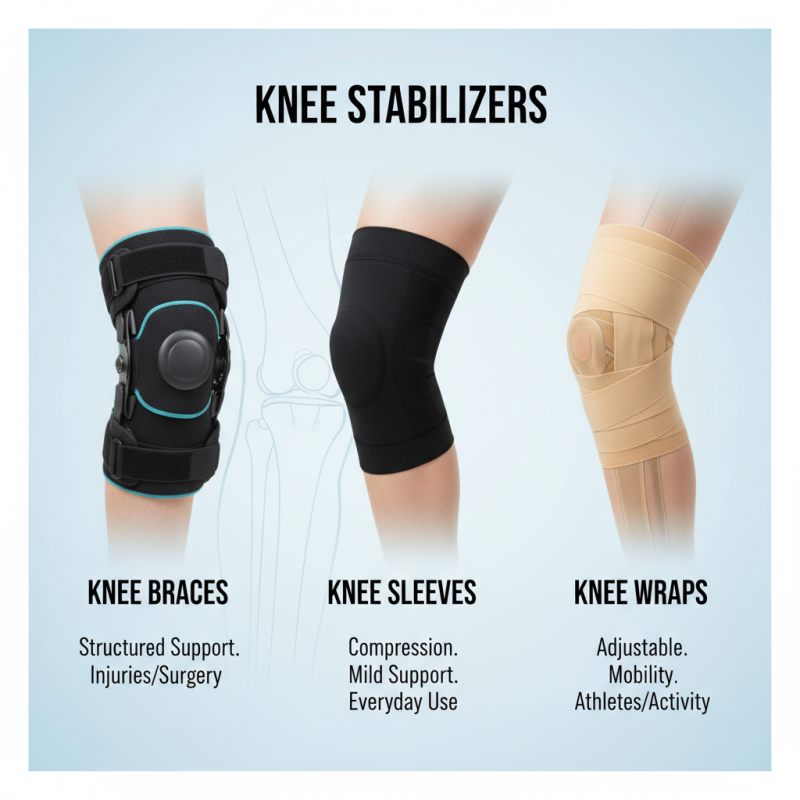
When considering knee stabilizers for pain relief and support, it’s essential to understand the different types available. Knee stabilizers can generally be categorized into braces, sleeves, and wraps. Braces provide structured support, often with adjustable straps to improve stability for those recovering from injuries or surgeries. Knee sleeves, made from elastic materials, offer compression to reduce swelling and enhance circulation, making them ideal for mild support during everyday activities. Wraps, on the other hand, are versatile and can be adjusted easily, providing support while allowing for mobility, which is beneficial for athletes or those engaged in physical activities.

According to a report by the National Institute of Health, knee injuries account for approximately 25% of all sports injuries, emphasizing the need for effective knee support solutions. When selecting a knee stabilizer, it’s crucial to consider the specific type of injury or condition you have, as well as your level of activity.

Tips: Always consult a healthcare professional before choosing a stabilizer, especially if you have pre-existing conditions. Look for a product that fits snugly without being restrictive, and ensure it is made of breathable material for comfort during extended wear. Additionally, pay attention to features like adjustable straps for customizable support.

Factors to Consider When Choosing a Knee Stabilizer

When choosing a knee stabilizer for pain relief and support, several critical factors should be considered to ensure the best fit for individual needs. One of the foremost aspects is the type of support required. Different stabilizers offer varying levels of rigidity and flexibility, which can be determined by the specific condition being addressed—whether it's arthritis, ligament injuries, or post-surgical recovery. According to a study published in the Journal of Orthopaedic Surgery, knee braces can reduce pain symptoms in patients with osteoarthritis by up to 50%, underlining the importance of selecting the correct type of stabilizer.

Another significant factor is the material and construction of the knee stabilizer. High-quality materials that provide breathability and moisture-wicking properties can enhance comfort for prolonged use. A report from the American Journal of Sports Medicine highlights that neoprene and elastic blends are effective in providing not only support but also in promoting warmth, which can aid in healing. Additionally, considering adjustability features can ensure a custom fit, accommodating swelling or changes in body size, which is essential for effective support and pain relief. Evaluating these elements will lead to a more informed decision, ultimately influencing recovery outcomes.

How to Properly Fit a Knee Stabilizer for Maximum Support

When it comes to fitting a knee stabilizer for maximum support, the first step is to accurately measure your knee and thigh circumference. Using a flexible measuring tape, measure just below the kneecap for the knee circumference and several inches above for the thigh. This information helps ensure that you select a stabilizer that fits snugly without being too tight. A proper fit allows for adequate compression and support, reducing the risk of further injury while providing relief from pain.

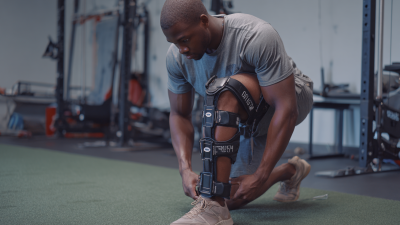
Once you have the appropriate size, it's crucial to put the knee stabilizer on correctly. Begin by positioning the stabilizer so that the kneecap is centered in the opening if applicable. Ensure that the straps or fasteners are securely adjusted to your comfort level; they should be firm enough to provide support but not so tight that they restrict blood flow. It's advisable to check the fit while in motion, as the stabilizer should remain in place during activities. Regularly reassess the fit, especially after any increase in swelling, as adjustments may be necessary to maintain effectiveness.

Comparison of Knee Stabilizer Types for Pain Relief and Support

This bar chart compares the support levels of various knee stabilizer types. Neoprene sleeves offer moderate support, while hinged braces and rigid braces provide higher levels of stability for pain relief and support. Understanding these differences is crucial in selecting the right knee stabilizer.

Additional Treatments to Complement Knee Stabilizer Use

Incorporating additional treatments alongside a knee stabilizer can significantly enhance pain relief and support for those suffering from knee issues. According to a study published by the American Academy of Orthopedic Surgeons, combining braces with physical therapy can lead to improved functional outcomes in patients with knee pain. The research highlights that a tailored physiotherapy regimen can strengthen the muscles around the knee, thereby providing additional stability that complements the support offered by the stabilizer.

Another effective approach is the use of thermal therapy, such as heat and cold packs. A systematic review in the Journal of Physiotherapy found that applying cold packs can reduce immediate inflammation and pain, while heat therapy helps in easing stiffness and promoting blood flow. Alternating between these therapies can be an effective strategy to manage knee discomfort and enhance the benefits of wearing a stabilizer.

Tips: To maximize the effectiveness of these treatments, consider scheduling regular sessions with a physical therapist who specializes in knee rehabilitation. Additionally, engaging in low-impact exercises such as swimming or cycling can keep the knee joint mobile without placing undue stress. Maintaining a healthy weight is equally crucial, as it reduces the overall load on the knees, thereby improving outcomes when combined with knee stabilization techniques.