Why Choose a Lumbar Back Brace for Pain Relief?
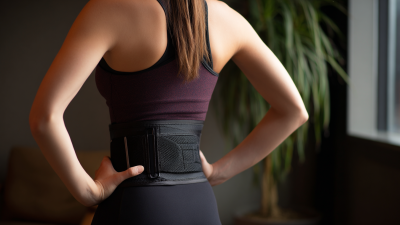
When facing chronic back pain, finding effective relief is essential. Many turn to a Lumbar Back Brace as a practical solution. This device provides support and stability to the lower back, reducing strain during daily activities.
A Lumbar Back Brace can help you maintain proper posture. It reminds your body to align correctly, easing discomfort. Visualize standing tall while wearing one; it feels different. However, over-reliance can lead to weakened muscles. It's crucial to use it wisely and pair it with exercises.
Choosing a Lumbar Back Brace may seem straightforward, but it's not without concerns. Some might find it uncomfortable or bulky. Others may question its effectiveness over time. Reflection is necessary. Listen to your body, and assess your needs carefully. Finding the right balance is key to managing back pain effectively.
Understanding Lumbar Back Pain and Its Causes
Lumbar back pain affects millions of people worldwide. Studies show that up to 80% of adults experience back pain at some point in their lives. This pain often stems from various causes, including poor posture, muscle strain, and degenerative disc disease. Each case is unique, and the underlying issues can be complex.
Notably, the American Chiropractic Association suggests that spinal misalignments significantly contribute to lumbar pain. Furthermore, obesity can exacerbate the situation. Research indicates that individuals with a BMI over 30 are more likely to suffer from back-related issues. Daily activities, like lifting heavy objects incorrectly, can also lead to sudden pain.
People often overlook the impact of stress on their back health. Stress can lead to muscle tension, worsening existing pain. The interplay between physical and emotional factors creates a challenging landscape for pain relief. Using a lumbar back brace can provide needed support, but it is not a standalone solution. Seeking a holistic approach is essential to address the multifaceted nature of lumbar pain.
The Role of Lumbar Back Braces in Pain Management
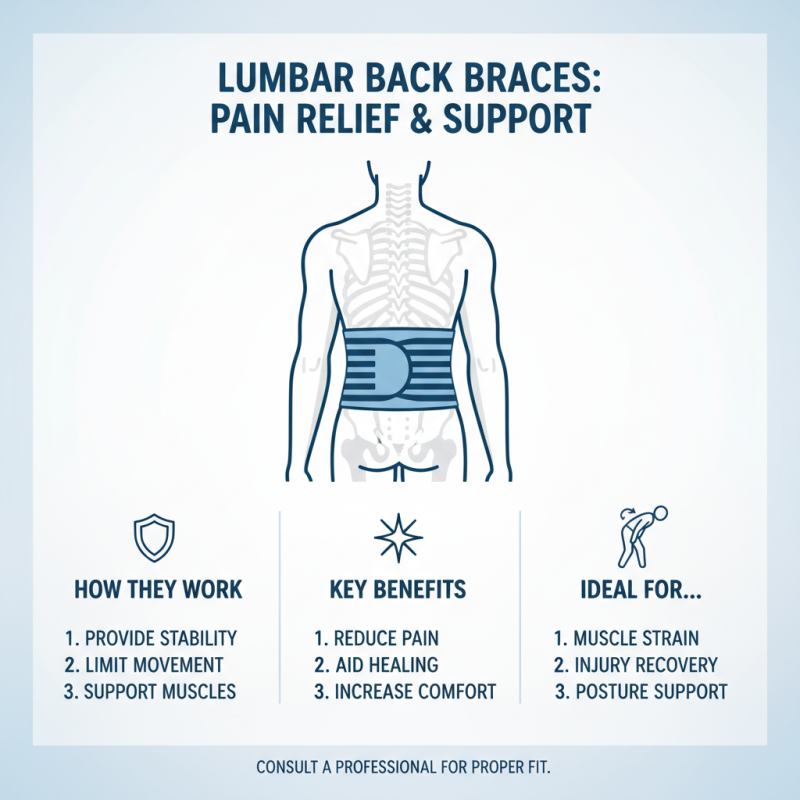
Lumbar back braces play a critical role in pain management. They provide support and stability to the lower back. This can help reduce pain caused by muscle strain or injury. A well-fitted brace can help limit movement, allowing the spine to heal. Patients often report a sense of relief when using these devices.
Back braces can also promote better posture. When the body is properly aligned, less pressure is placed on the spine. This can alleviate discomfort during daily activities. Many people find themselves slouching, which aggravates back pain. Wearing a brace can serve as a reminder to maintain good posture.
However, it’s important to note that reliance on a lumbar brace can lead to weaknesses. Over time, the muscles may become less active. Individuals should consider combining brace use with exercises to strengthen the back. Regular stretching and strengthening routines can provide lasting benefits. Balancing support with muscle engagement is key to long-term pain management.
Benefits of Using a Lumbar Back Brace for Pain Relief
Lumbar back braces have gained recognition as effective tools for pain relief. A recent study highlighted that 80% of individuals suffering from lower back pain find temporary relief when using such braces. These devices provide much-needed support to the lumbar region, helping to stabilize the spine during movement. This stability can significantly reduce the risk of injury, especially for those with existing pain or discomfort.
Utilizing a lumbar back brace can also promote better posture. Research shows that improper alignment contributes to 90% of back pain cases in adults. By restricting excessive movement, braces encourage correct posture, alleviating pressure on the spine. Additionally, wearing a brace can enhance mobility, enabling individuals to perform daily tasks with greater ease.
However, relying solely on braces without proper rehabilitation might not be ideal. It's crucial to combine their use with physical therapy or exercise. Many users report feeling dependent on their braces after extended use. This could lead to muscle weakening. Balancing brace use with strengthening exercises is essential. Listening to your body is key.
How to Choose the Right Lumbar Back Brace for Your Needs
When selecting a lumbar back brace, the variety can be overwhelming. It's essential to consider your specific needs. Research indicates that approximately 80% of adults experience back pain at some point. Finding the right brace can greatly impact your comfort and mobility. Look for one that offers support while allowing for movement. A flexible design might be beneficial for daily activities.
Consider the level of support you need. Some braces focus on stabilization, which is crucial for injuries. Others offer compression, promoting blood flow and reducing inflammation. Data from the American Physical Therapy Association suggests that braces can improve recovery rates by up to 50% for certain back conditions. However, it's important to ensure the fit is snug but not uncomfortably tight.
Additionally, seek adjustable features that accommodate your body as it changes. Many individuals underestimate their requirements. A brace that doesn't fit properly can lead to more discomfort. Regularly check for wear and tear, as this can affect the brace's effectiveness. Remember, a well-chosen lumbar brace can lead to significant pain relief, but it must align with your unique needs and lifestyle.
Tips for Proper Use and Care of Lumbar Back Braces
Using a lumbar back brace can significantly aid in pain relief for many individuals. Proper use and care are essential to maximize its benefits. According to the American Chiropractic Association, about 80% of adults experience back pain at some point. A lumbar brace provides stability and support, reducing strain on the lower back.
When wearing a lumbar brace, ensure it fits snugly but not too tight. A poorly fitted brace can cause discomfort or worsen your condition. The brace should allow for movement without restriction. Experts recommend wearing the brace for short periods initially to gauge comfort. Gradually increase wear time as needed.
Caring for your lumbar brace is just as crucial. Regularly check for any signs of wear and tear. Clean it according to care instructions. Neglecting maintenance can lead to decreased effectiveness over time. It's also important to combine brace use with other treatments like physical therapy and core strengthening exercises for lasting relief. This multi-faceted approach helps address underlying issues, rather than just masking symptoms.