What is Casting Tape and How is it Used in Various Industries?
Casting Tape is a specialized material widely used across different industries. It serves the crucial purpose of immobilizing broken bones and providing support to injured limbs. This unique tape is made from medical-grade materials, ensuring reliability and effectiveness in various applications.
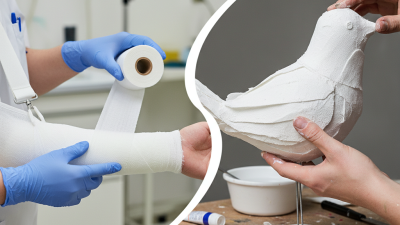
In the healthcare sector, Casting Tape plays an essential role in orthopedic practices. Its lightweight and water-resistant properties make it ideal for patients recovering from surgery. Moreover, its quick-setting nature allows for efficient application. Beyond healthcare, Casting Tape finds usage in arts and crafts. Artists utilize it for creating molds and prototypes, showcasing its versatility.
Despite its advantages, some practitioners face challenges with its application. For instance, improper layering can lead to discomfort for the patient. Practitioners must be aware of the potential risks and adjust their techniques accordingly. This highlights the importance of experience in mastering the art of using Casting Tape effectively.

What is Casting Tape? Definition and Overview
Casting tape is a specialized material used primarily for immobilizing fractures. It is a lightweight, conformable product that hardens when exposed to moisture. Traditionally called fiberglass or plaster, modern casting tapes are made from synthetic materials. They come in various sizes and colors, appealing to both medical professionals and patients.
In the medical field, casting tape provides strong support for broken bones. It's easy to apply and conforms closely to the body, ensuring proper immobilization. The water-activated properties allow for quick setting, which is advantageous during emergencies. Additionally, casting tape can be tailored for specific injuries, ensuring a more personalized treatment approach. However, health professionals must apply it with care, as improper technique can lead to complications.
Beyond medicine, industries like construction and sports use casting tape for repairs and reinforcement. It can bond to various surfaces, making it versatile. In construction, it is often used for creating molds and securing materials. In sports, athletes use it to protect injuries during activity. The durability of casting tape adds to its reliability. Yet, some users note the need for training to ensure effectiveness. Overall, casting tape continues to be an essential tool across several sectors, showcasing its adaptability and significance.
Materials Used in Casting Tape Production
Casting tape is widely used across various industries for its versatility and strength. The production of casting tape involves several materials that contribute to its effectiveness. Primarily, fiberglass and polyurethane are the main components. Fiberglass offers significant tensile strength, making it ideal for orthopedic applications. Polyurethane, on the other hand, provides flexibility and durability.
In addition to these key materials, various additives are used to enhance performance. Some casting tapes may include curing agents to speed up the hardening process. Others incorporate colorants for aesthetic appeal or to easily identify different types. The combination of these materials ensures that casting tapes can withstand stress while remaining lightweight.
Despite its advantages, the selection of materials requires careful consideration. Not all combinations yield the desired properties. Factors such as ease of application and setting time must be evaluated. There are instances where a specific tape may not perform as expected. This reinforces the importance of thorough testing before widespread use. Ultimately, understanding materials in casting tape production is crucial for optimizing its applications.
What is Casting Tape and How is it Used in Various Industries?
| Dimension |
Description |
Key Industries |
Materials Used |
Applications |
| Thickness |
Typically ranges from 1/16" to 1/2" |
Healthcare, Sports |
Fiberglass, Polyester |
Fracture treatment, orthopedic casts |
| Curing Time |
Hardens in approximately 30 minutes |
Construction, Automotive |
Polyurethane, Carbon fiber |
Mold creation, repairs |
| Weight |
Lightweight, easy to handle |
Aerospace, Marine |
Aluminum, Resins |
Structural components, prototypes |
| Flexibility |
Can be molded to complex shapes |
Art, Design |
Natural fibers, Synthetic composites |
Artistic installations, unique designs |
Applications of Casting Tape in Healthcare
Casting tape is a specialized material used widely in healthcare settings. It is primarily known for its role in immobilizing fractures and supporting injuries. This tape consists of fiberglass or other composite materials that are lightweight yet strong. Medical professionals prefer it due to its ease of use and durability.
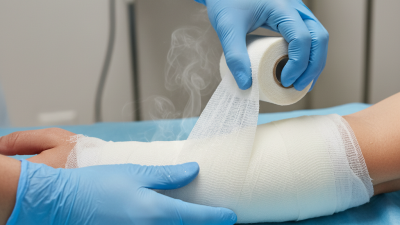
In hospitals and clinics, casting tape is commonly applied in orthopedic departments. Physicians use it to create casts quickly and effectively. The process often involves the application of a wet layer of tape that hardens into a solid form upon drying. This ensures that patients have their injuries immobilized correctly, allowing for optimal healing. The flexibility in design means casts can fit various body shapes.
While casting tape has many advantages, there are challenges. Not everyone tolerates its use. Some patients report skin irritation. Others may find the material uncomfortable. Proper training for medical staff is essential to avoid these pitfalls. They need to ensure the tape is applied correctly and that patient questions are addressed thoroughly. Balancing efficacy and comfort is key in casting applications.
Applications of Casting Tape in Healthcare
Use of Casting Tape in Construction and DIY Projects
Casting tape is a versatile material widely used in construction and DIY projects. Its ability to provide strong support while remaining lightweight makes it ideal for various applications. Many contractors and hobbyists appreciate its quick curing time, which allows them to complete tasks efficiently. For instance, when repairing damaged structures or creating molds, casting tape can be applied easily and shaped to fit the required design.
In DIY projects, this tape can be used for crafting functional items or artistic endeavors. Builders often use it to reinforce weak areas or as part of a composite material. It's essential to keep in mind that the surface preparation is crucial. Improperly primed surfaces may lead to adhesion issues. It's not uncommon to encounter challenges when trying to achieve the perfect finish with casting tape. Mistakes can happen, like misaligning layers or underestimating the drying time.
Moreover, while casting tape is user-friendly, it isn’t foolproof. An inexperienced user might misjudge the amount needed, which can result in waste or insufficient coverage. Reflecting on experiences can often lead to better techniques in future projects. In aiming for flawless results, each application offers valuable lessons. Real-world use shows that adaptability and patience are key to mastering casting tape in construction and DIY settings.
Innovations and Future Trends in Casting Tape Technology
Casting tape has evolved significantly, benefiting not just the medical field but also construction and crafts. Recent innovations focus on lightweight materials. These advancements enhance user comfort and usability. Users can now find tapes that are both strong and flexible. This adaptability is crucial for applications requiring secure molding and support.
Moreover, there’s a push toward eco-friendly options. Some manufacturers are exploring biodegradable materials. This aligns with global trends toward sustainability. However, challenges remain in balancing performance and environmental impact. Researchers continue to seek solutions that meet both criteria. The future looks promising, but patience is necessary as new technologies develop.
As industries increasingly adopt casting tape, staying updated is vital. The upcoming trends suggest a blend of tradition and innovation. Traditional methods still hold value, yet they can benefit from modern techniques. The perfect combination might not be evident immediately. Embracing this journey of discovery may lead to surprising advancements in casting tape applications.