What is Casting Tape and How is it Used in Medical Treatments?
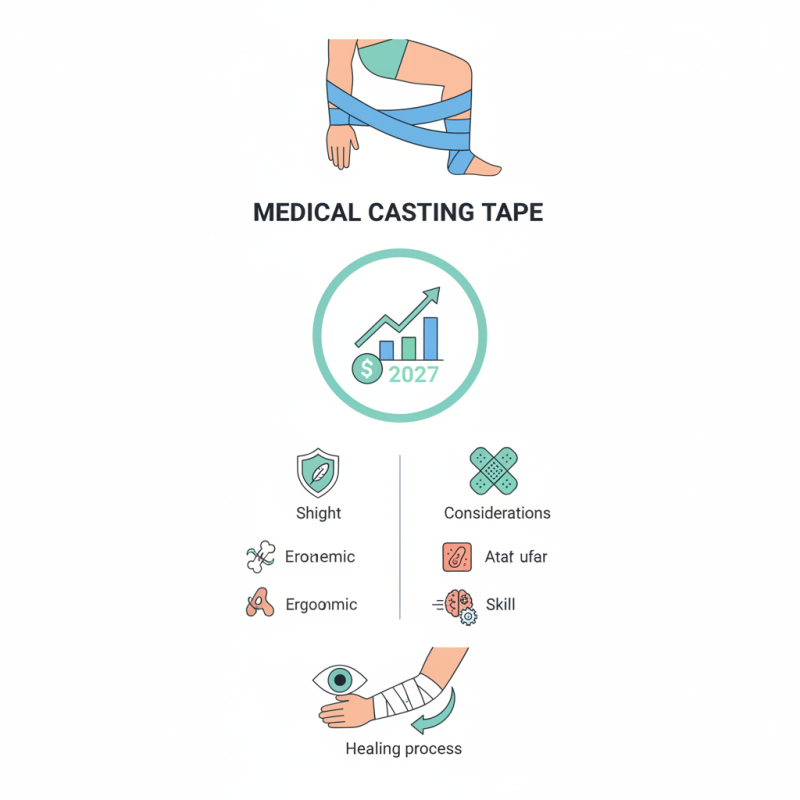
Casting Tape is a specialized material used in medical settings for immobilization and support. According to industry reports, the global orthopedic casting market is expected to reach $1.8 billion by 2027. This growth highlights the significance of products like Casting Tape in patient care.
Casting Tape provides a lightweight and durable solution for fractures and soft tissue injuries. It is designed to conform closely to the body, ensuring comfort while stabilizing the affected area. The application process can be quick and efficient, which is crucial in emergency settings.
Despite its advantages, there are considerations to keep in mind. Some patients may experience skin irritation after prolonged use. Additionally, the effectiveness of Casting Tape relies heavily on proper application techniques. Training and experience are essential to optimize patient outcomes. Careful observation during the healing process helps address any potential issues.
What is Casting Tape?
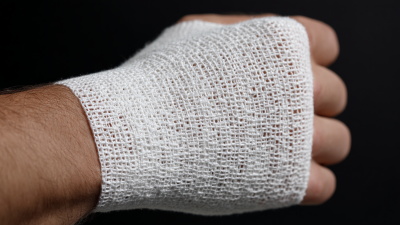
Casting tape is a specialized material used in medical settings. It is primarily designed to immobilize and protect broken bones or injured limbs. The tape is lightweight and easy to apply, making it a popular choice among healthcare providers. In 2022, the global casting tape market was valued at approximately $410 million, reflecting its essential role in orthopedic treatments.
This tape is composed of fiberglass or polyester and is coated with a resin. When exposed to water, the resin activates and hardens, forming a rigid structure. This process typically takes about 20 minutes. The tape is not only durable but also breathable. However, improper application can lead to complications such as skin irritation or discomfort.
In clinical practices, casting tape reduces patient recovery times. Studies show that patients who use this tape tend to experience quicker healing. Still, some practitioners may struggle to balance rigidity with comfort. There's an ongoing need for training to enhance application techniques. The evolution of casting tape continues to challenge traditional methods, prompting healthcare professionals to rethink their approaches.
Materials Used in Casting Tape Production
Casting tape is essential in medical treatments, particularly for immobilizing fractures. The effectiveness of this product relies heavily on the materials used in its production. Typically, casting tape is made from fiberglass or plaster. These materials offer unique properties that enhance durability and support.
Fiberglass is a lightweight option. It can conform to different body shapes easily. This flexibility allows for a comfortable fit. Additionally, fiberglass casting tape is water-resistant. This feature makes it practical for patients who wish to maintain hygiene and comfort during recovery. On the other hand, plaster casting tape is often used for its affordability and ease of application. However, it is heavier and less durable than fiberglass.
Both materials, however, have limitations. Fiberglass can be challenging to cut once set. Plaster may require more frequent changes due to wear and tear. These factors can impact a patient's experience. Understanding these nuances is crucial for healthcare providers when choosing the best type of casting tape for each patient.
What is Casting Tape and How is it Used in Medical Treatments? - Materials Used in Casting Tape Production
| Material |
Description |
Application |
Benefits |
| Fiberglass |
A lightweight and strong material, often used for casting. |
Commonly used in orthopedic casts for fractures. |
High strength-to-weight ratio, water-resistant. |
| Polyester |
A thermoplastic polymer that is durable and flexible. |
Used in softer casts and splints. |
Comfortable to wear, moldable. |
| Resin |
A chemical compound used to bind materials in casting tapes. |
Functions as a binding agent in casting applications. |
Provides rigidity and adheres well to various surfaces. |
| Cotton |
A soft, natural fiber used in some casting materials. |
Used in traditional plaster casts and soft casts. |
Breathable, lightweight, and comfortable. |
| Thermoplastic |
A type of plastic that becomes pliable or moldable at a certain temperature. |
Utilized for splints and orthopedic devices. |
Flexible, adjustable, and can be remolded. |
How Casting Tape is Applied in Medical Settings
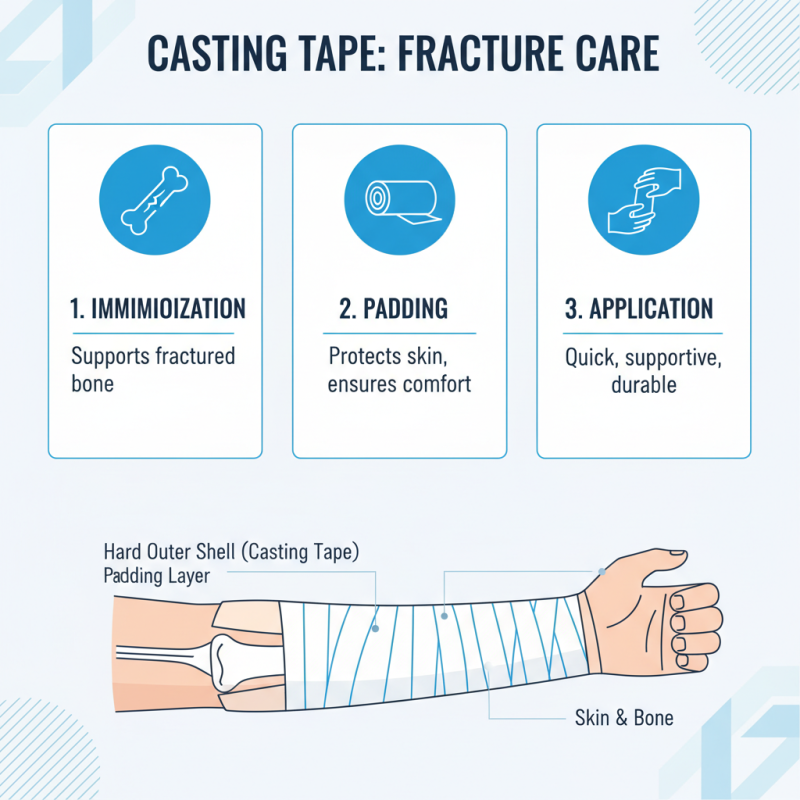
Casting tape is a common material used in medical settings for creating strong, supportive casts. When a bone fracture occurs, it is crucial to immobilize the affected area. The application of casting tape is a straightforward yet delicate process. Medical professionals often start by applying a layer of padding to protect the skin. This step is essential for patient comfort and to prevent irritation.
Once the padding is in place, the casting tape is prepared. It is usually soaked in water to activate its adhesive properties. The tape is then wrapped around the injured area, layer by layer. Care must be taken to ensure even pressure throughout the application. This avoids complications such as circulation problems. Medical staff might instruct patients on how to keep the area dry and comfortable.
**Tips:** Always communicate any discomfort during the process. Providing feedback helps ensure the cast fits correctly. After application, it is important to check the cast regularly for signs of wear or damage. Keeping an eye on any swelling will allow for adjustments, if needed.
Benefits of Casting Tape Over Traditional Plaster
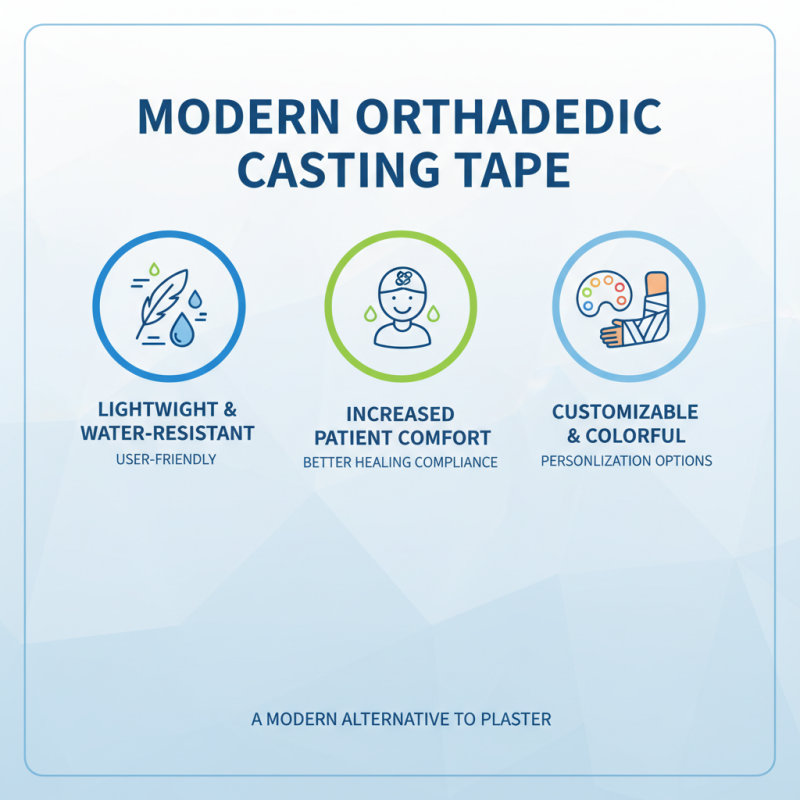
Casting tape is a modern alternative to traditional plaster for orthopedic applications. It is lightweight and water-resistant, making it user-friendly. Patients find it comfortable, which encourages better compliance during the healing process. This type of tape comes in various colors, allowing for a bit of personalization.
Benefits of casting tape go beyond comfort. It offers quicker drying times compared to plaster. Traditional plaster can take hours to solidify, while casting tape can be ready in minutes. This efficiency reduces the time spent in clinics or hospitals. Moreover, casting tape provides better ventilation. It minimizes skin irritation, a common issue with plaster casts.
However, not all patients adapt to casting tape perfectly. Some may experience a rigidity that feels different from plaster. Adjustment periods can vary widely. This inconsistency can lead to frustration in the recovery journey. While casting tape represents an advancement, it is essential to assess its fit for individual needs.
Common Medical Conditions Treated with Casting Tape
Casting tape is a crucial tool in treating various medical conditions, particularly those related to bone fractures and soft tissue injuries. It is commonly used for immobilizing limbs after fractures. According to a report by the American Academy of Orthopaedic Surgeons, around 6 million fractures occur annually in the United States alone. This highlights the significance of effective casting in patient recovery.
Among the common conditions treated with casting tape are wrist fractures, ankle sprains, and broken arms. These injuries often require initial pain management, followed by immobilization to ensure proper healing. Other conditions, like tendon injuries and certain surgeries, might also necessitate the use of casting tape. A study published in the Journal of Orthopedic Research indicates that immobilization significantly reduces recovery time when applied correctly.
Tips: Always ensure the cast is not too tight; it should allow some finger or toe movement. Monitor for any signs of swelling or skin irritation. Regular check-ups are essential to adjust the cast as swelling decreases.
While casting tape provides excellent stability, imperfections can occur in its application. Over time, the cast may loosen, or skin irritation may arise. Patients should remain vigilant, as discomfort can signal the need for adjustment. Even a minor oversight can lead to complications in healing.