What is a Carpal Tunnel Brace and How Does it Help Relieve Symptoms?
Carpal Tunnel Syndrome (CTS) is a prevalent condition affecting millions globally, characterized by pain, numbness, and weakness in the hand and arm due to compression of the median nerve within the carpal tunnel. According to the American Academy of Orthopaedic Surgeons, approximately 3% of adults in the United States experience symptoms of CTS, highlighting the urgent need for effective therapeutic solutions. One such solution that has gained traction in managing symptoms is the use of Carpal Tunnel Braces, which play a pivotal role in alleviating discomfort and promoting healing.
Carpal Tunnel Braces are designed to immobilize the wrist, ensuring proper alignment and reducing pressure on the median nerve. Recent studies indicate that wearing these braces, especially during the night, can significantly diminish symptoms and improve overall wrist function. The National Institute of Health reports that conservative treatments, including wrist braces, have shown effectiveness in up to 70% of CTS patients, emphasizing their importance in a comprehensive treatment plan. By understanding the mechanics of Carpal Tunnel Braces and their impact on symptom relief, patients and healthcare providers can make informed decisions for better management of this widespread condition.
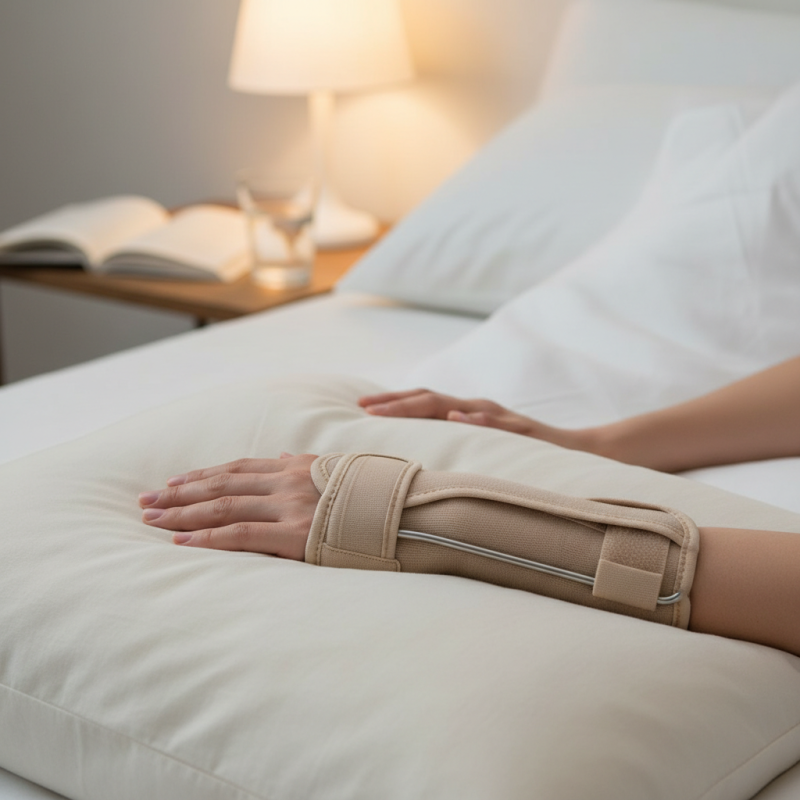
What is a Carpal Tunnel Brace?
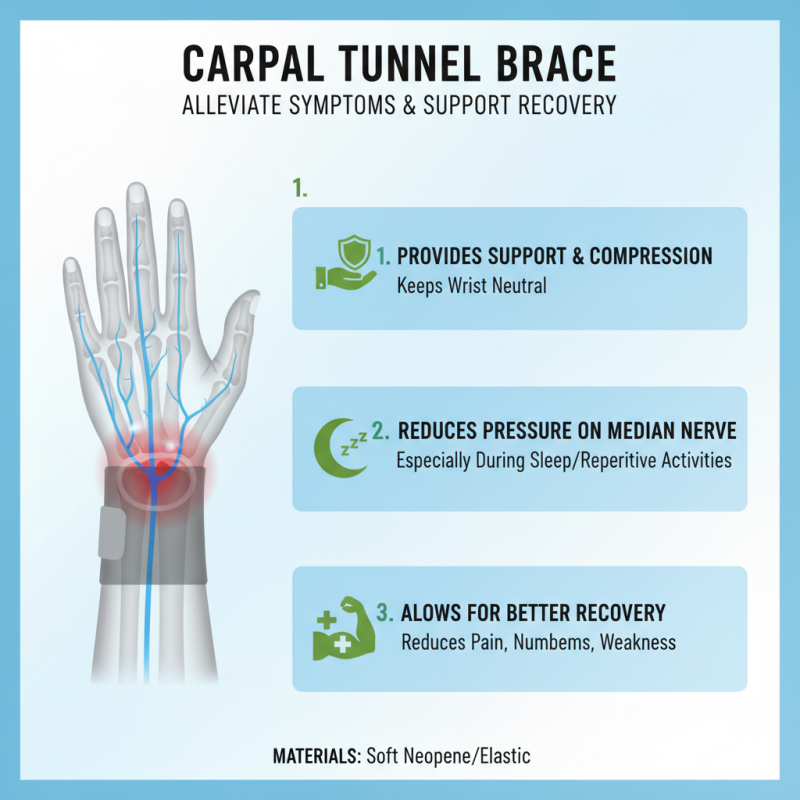
A carpal tunnel brace is a supportive device designed to alleviate the symptoms of carpal tunnel syndrome (CTS), a condition that affects the median nerve as it travels through the wrist, causing pain, numbness, and weakness. Typically made from soft materials like neoprene or elastic, these braces provide compression and stability to the wrist, keeping it in a neutral position. This support can significantly reduce pressure on the median nerve, especially during sleep or repetitive activities, allowing for better recovery and symptom relief.
When choosing a carpal tunnel brace, consider the level of support you need throughout the day versus at night. Daytime braces tend to be more flexible, allowing for a range of motion while still providing some stability. Nighttime braces are usually more rigid, preventing wrist movement that can exacerbate symptoms during sleep.
**Tips:**
1. Wear your brace consistently, especially during activities that exacerbate your symptoms. This can help minimize discomfort and promote healing.
2. Take regular breaks to stretch your hands and wrists, even while wearing a brace. This can help improve circulation and prevent stiffness.
3. Consult with a healthcare professional for personalized advice on the appropriate type of brace for your specific needs and symptoms.
Common Symptoms of Carpal Tunnel Syndrome
Carpal Tunnel Syndrome (CTS) is a common condition caused by compression of the median nerve as it travels through the wrist. It's estimated that approximately 3-6% of the general population is affected by CTS, with higher prevalence noted among individuals engaged in repetitive hand activities, such as typing or assembly line work. The most common symptoms associated with this condition include numbness, tingling, and pain in the hand and fingers, particularly in the thumb, index, middle, and part of the ring fingers. According to a study published in the Journal of Orthopaedic Research, about 50% of those suffering from CTS report hand weakness and difficulty performing daily tasks, highlighting the disruptive nature of this syndrome.
Additionally, individuals might experience symptoms that worsen at night, which can lead to interrupted sleep. In fact, research has shown that up to 70% of patients with CTS report night-time symptoms that disturb their sleep patterns. Often, these symptoms can be alleviated through the use of a carpal tunnel brace. The brace provides wrist support and keeps the wrist in a neutral position, significantly reducing pressure on the median nerve. Studies indicate that wearing a brace during sleep can lead to a notable decrease in symptoms for many patients, promoting better sleep quality and improved hand function during the day.
How a Carpal Tunnel Brace Provides Relief
A carpal tunnel brace is designed to alleviate the symptoms associated with carpal tunnel syndrome, a condition that results from pressure on the median nerve in the wrist. By immobilizing and stabilizing the wrist, the brace prevents movements that can exacerbate pain and discomfort. This support allows the tendons and ligaments in the wrist to rest, which can be beneficial for those who experience pain, tingling, or weakness in their hands and fingers.
The design of a carpal tunnel brace often includes specific features that enhance its effectiveness. For instance, many braces have adjustable straps that allow users to customize the fit and level of support. This adjustability is crucial for ensuring that the brace remains snug without being overly restrictive. Additionally, some braces come equipped with a splint, which helps to keep the wrist in a neutral position. This position is essential for reducing strain on the median nerve, thereby providing significant relief from symptoms. Regular use of a carpal tunnel brace, especially during activities that exacerbate symptoms, can lead to improved comfort and functionality in daily tasks.
Types of Carpal Tunnel Braces Available
When considering carpal tunnel braces, it's important to understand the various types available that cater to different needs and preferences. One common type is the wrist splint, which is often made from soft fabric and features adjustable straps for a customized fit. These splints are designed to immobilize the wrist while allowing the fingers to move freely, making them suitable for daytime use or light activities.
Another popular option is the rigid brace, which offers more support and stability. These braces are typically made from plastic and provide a firmer hold to prevent wrist flexion. They are particularly beneficial for individuals with more severe symptoms or those who need to avoid movement during the night. Additionally, there are also wrist wraps that offer a balance between support and flexibility, making them ideal for users who require some movement while still needing a degree of stabilization. Ultimately, selecting the right type of carpal tunnel brace depends on individual symptoms, lifestyle, and comfort preferences.
Carpal Tunnel Brace Effectiveness by Type
This chart illustrates the effectiveness percentage of different types of carpal tunnel braces in relieving symptoms associated with carpal tunnel syndrome. Each type of brace has varying levels of effectiveness, with custom braces showing the highest effectiveness at 90%.
Tips for Proper Use and Maintenance of a Carpal Tunnel Brace
When using a carpal tunnel brace, proper application and maintenance are crucial for maximizing its benefits. The brace should be worn at night and during any activities that exacerbate symptoms, ensuring that the wrist remains in a neutral position. According to a study published in the Journal of Hand Therapy, patients who consistently used a brace reported a 44% improvement in symptoms within four weeks. This emphasizes the importance of adherence to recommended usage patterns for optimal relief.
In addition to correct usage, maintaining the brace is essential to its effectiveness. Regularly check for wear and tear, as damaged braces can lead to reduced support. Washing the brace according to the manufacturer's instructions helps to keep it hygienic, prolong its lifespan, and ensure that it functions properly. Data from the American Academy of Orthopaedic Surgeons shows that a properly maintained brace can significantly reduce symptoms, enhancing mobility and quality of life for individuals with carpal tunnel syndrome. Regularly inspect the fit; an ill-fitting brace can lead to discomfort and may not provide the necessary support, thus diminishing its therapeutic effects.
What is a Carpal Tunnel Brace and How Does it Help Relieve Symptoms? - Tips for Proper Use and Maintenance of a Carpal Tunnel Brace
| Feature |
Description |
| Purpose |
To alleviate pressure on the median nerve and reduce symptoms of carpal tunnel syndrome. |
| Design |
Usually made of soft, breathable materials with adjustable straps for a snug fit. |
| Symptoms Relieved |
Numbness, tingling, and weakness in the hand and wrist. |
| Proper Use |
Wear during activities that may aggravate symptoms and while sleeping to prevent wrist movement. |
| Maintenance |
Regularly clean as per manufacturer’s instructions and check for wear and tear. |
| When to Consult a Doctor |
If symptoms persist or worsen despite use of the brace. |