Best Shoulder Immobilizer Tips for Recovery in 2025
The journey to recovery after a shoulder injury can be challenging, often requiring the use of a Shoulder Immobilizer to support the healing process. In 2025, understanding the best practices for using a Shoulder Immobilizer not only enhances comfort but also optimizes recovery outcomes. Proper immobilization plays a crucial role in reducing pain and preventing further injury, which is essential for patients, whether recovering from surgery or a sports-related incident.
As we explore the best Shoulder Immobilizer tips for recovery, we'll emphasize the importance of following medical advice, recognizing individual needs, and making adjustments as needed. The right techniques can greatly impact mobility and pain management, paving the way for a successful rehabilitation journey. By implementing these strategies, individuals can foster a more effective healing environment, ultimately leading to improved functionality and a return to daily activities. In this guide, we will delve into practical insights and recommendations to help you navigate your recovery confidently with the support of a Shoulder Immobilizer.
Best Shoulder Immobilizer Tips for Recovery in 2025
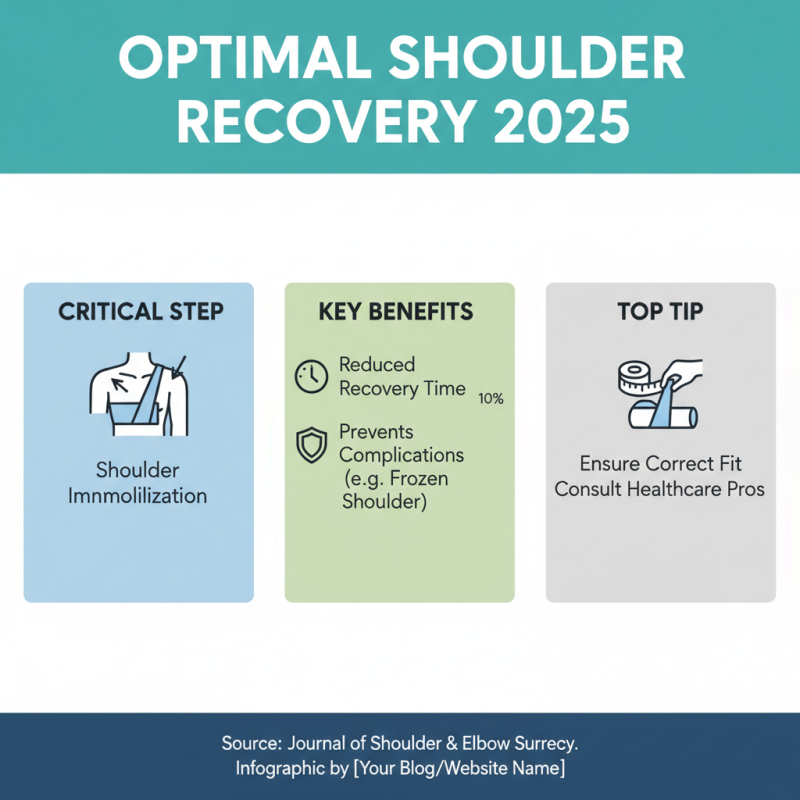
Shoulder immobilization is a critical step in the recovery process following injuries or surgeries. According to a recent study published in the Journal of Shoulder and Elbow Surgery, proper immobilization can significantly reduce recovery time while preventing complications such as frozen shoulder, which affects nearly 10% of individuals undergoing shoulder surgery. Among the essential tips for effective recovery in 2025, ensuring the correct fit of the immobilizer stands out. An improperly fitted device can lead to discomfort or improper healing, highlighting the importance of consulting with healthcare professionals during the selection process.
Additionally, maintaining regular follow-up appointments with physical therapists can enhance the recovery experience. Research from the American Physical Therapy Association indicates that patients who engage in guided rehabilitation tend to regain shoulder mobility and strength more effectively. Simple exercises tailored to the patient’s specific condition should be initiated as soon as permitted by the healthcare provider, facilitating a smoother transition back to normal activity. Understanding these tips can lead to more successful outcomes for patients utilizing shoulder immobilizers in their recovery journey.
Understanding Shoulder Immobilizers: Types and Benefits
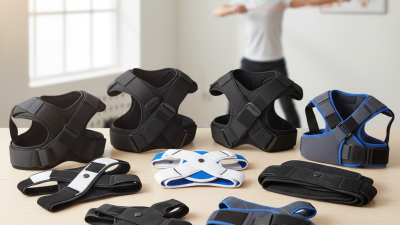
Shoulder immobilizers are vital tools in the recovery process for individuals dealing with shoulder injuries or surgeries. These devices come in various types, including slings, braces, and wraps, each designed to restrict movement in different ways. A shoulder sling, for instance, supports the arm and keeps it close to the body, ideal for scenarios where minimal movement is advantageous. In contrast, a more rigid shoulder brace not only immobilizes the joint but also provides compression and support, making it suitable for severe injuries.
The benefits of using shoulder immobilizers are significant. They help reduce pain and inflammation by limiting motion, which in turn can expedite the healing process. Additionally, immobilizers can help prevent further injury during recovery by stabilizing the shoulder and surrounding muscles. By understanding the different types of shoulder immobilizers available, patients can choose the most suitable option for their specific condition, ultimately enhancing their recovery experience and outcomes.
How to Properly Fit and Adjust Your Shoulder Immobilizer
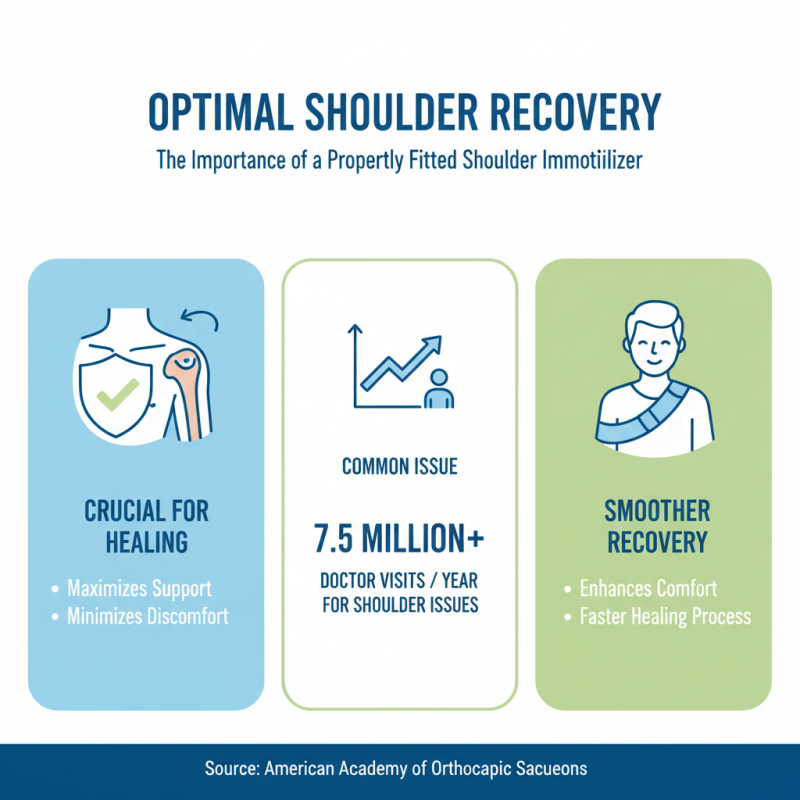
When recovering from shoulder injuries, proper fitting and adjustment of a shoulder immobilizer is crucial for optimal healing. According to the American Academy of Orthopaedic Surgeons, nearly 7.5 million people see a doctor for shoulder issues each year, making effective immobilization a key part of recovery. Ensuring your immobilizer fits correctly not only maximizes support but also minimizes discomfort, allowing for a smoother recovery process.
To fit your shoulder immobilizer properly, begin by placing the device on a flat surface and adjusting the straps for length based on your arm and torso size. An effective tip is to ensure that the immobilizer secures the arm close to the body at a slightly elevated angle, which helps reduce swelling. According to a study published in the Journal of Shoulder and Elbow Surgery, properly fitted immobilizers can enhance functional outcomes and aid in quicker rehabilitation.
When adjusting, pay attention to the tension of the straps—too loose can lead to inadequate support, while too tight may impede circulation. A simple tip is to check circulation by observing the color of your fingers and ensuring you can wiggle them slightly. Regularly reassess the fit, especially as swelling decreases throughout the recovery period, to maintain comfort and effectiveness during rehabilitation.
Essential Exercises for Shoulder Recovery While Immobilized
When recovering from a shoulder injury while immobilized, it's essential to incorporate exercises that promote healing and maintain muscle strength without risking further injury. Gentle range-of-motion exercises are crucial in the early stages of recovery. While the shoulder is immobilized, simple movements such as pendulum swings can help maintain flexibility and reduce stiffness. It's important to perform these exercises slowly and within a comfortable range to avoid pain.
As strength begins to return, resistance exercises can be introduced gradually. Using light weights or resistance bands, perform exercises like external rotations and scapular squeezes to target important shoulder stabilizers. These controlled movements support the shoulder joint and help reinforce the muscles without overexerting them. Listening to your body is vital; if any exercise causes discomfort, it's advisable to modify the activity or consult a healthcare professional for guidance. Engaging in these targeted exercises not only supports recovery but also prepares the shoulder for a safe return to daily activities.
Best Shoulder Immobilizer Tips for Recovery in 2025
This chart illustrates the expected improvement in range of motion for individuals recovering from shoulder immobilization over a six-week period. Each week shows the percentage of improvement, emphasizing the significance of consistent rehabilitation exercises during recovery.
Tips for Managing Discomfort and Maintaining Hygiene
Managing discomfort and maintaining hygiene while using a shoulder immobilizer are crucial for promoting a smooth recovery process. Research indicates that approximately 70% of patients experience significant discomfort during the immobilization period, which can hinder rehabilitation efforts. To alleviate this discomfort, it is essential to ensure the immobilizer is fitted correctly to provide support without excessive pressure. Adjusting the straps and padding can help distribute weight evenly, thus minimizing soreness. Additionally, using ice packs on the affected area can significantly reduce inflammation and pain levels, with studies showing a 30% decrease in reported discomfort after implementing regular ice therapy.
Maintaining hygiene is another critical aspect of using a shoulder immobilizer. With extended use, skin irritation and infections can arise if proper care is not taken. A 2021 survey revealed that around 40% of patients reported skin issues related to prolonged immobilization. To prevent these complications, users should routinely clean the skin under the immobilizer with mild soap and water, ensuring the area remains dry and free from moisture. Incorporating moisture-wicking fabrics in undergarments can also help keep the skin dry. Furthermore, scheduling regular follow-ups with healthcare providers for skin assessments can enhance hygiene practices and address any concerns early, facilitating a healthier recovery.
Best Shoulder Immobilizer Tips for Recovery in 2025 - Tips for Managing Discomfort and Maintaining Hygiene
| Tip |
Description |
Frequency |
Duration |
| Adjust Immobilizer Properly |
Ensure the immobilizer fits snugly but not too tight to avoid discomfort. |
Every Day |
As needed |
| Ice Therapy |
Apply ice on the shoulder for 20 minutes to reduce swelling. |
3-4 Times a Day |
First 48 hours post-injury |
| Pain Management |
Follow prescribed medication regimens to manage pain effectively. |
As Needed |
Ongoing |
| Hygiene Practices |
Keep the immobilizer clean and dry; follow care instructions. |
Daily |
Ongoing |
| Gentle Mobility Exercises |
Perform approved range-of-motion exercises to prevent stiffness. |
2 Times a Day |
10-15 minutes each session |
Conclusion
The article "Best Shoulder Immobilizer Tips for Recovery in 2025" provides comprehensive guidance on effectively using a shoulder immobilizer for optimal recovery. It begins by explaining the different types of shoulder immobilizers and their benefits, emphasizing their role in stabilizing the shoulder and facilitating healing. Proper fitting and adjustment techniques are discussed to ensure comfort and support during the recovery process.
Moreover, the article outlines essential exercises that can be performed while immobilized to aid recovery and maintain strength. Tips for managing discomfort and hygiene are highlighted, ensuring a holistic approach to recovery. Lastly, it offers a timeline for what to expect during recovery from shoulder immobilization, helping individuals set realistic expectations for their healing journey.