10 Best Shoulder Braces for Pain Relief and Support in 2023
Shoulder pain can be a debilitating condition that affects daily activities, sports performance, and overall quality of life. Whether resulting from injury, overuse, or medical conditions, finding effective relief is crucial. One common solution that many individuals turn to is shoulder braces. These supportive devices are designed to stabilize the shoulder joint, reduce pain, and facilitate recovery, making them a popular choice for those seeking both comfort and functionality.
In 2023, the market for shoulder braces has expanded, offering a diverse range of options suitable for various needs and preferences. From adjustable compression models to braces specifically designed for sports activities, the right shoulder brace can provide significant support and prevent further injury. This article explores the ten best shoulder braces available this year, highlighting their features, benefits, and what to consider when choosing the best brace for your shoulder pain relief journey. By understanding the various types of shoulder braces and their functions, readers can make informed decisions to support their healing process effectively.
Overview of Shoulder Braces for Pain Relief and Support
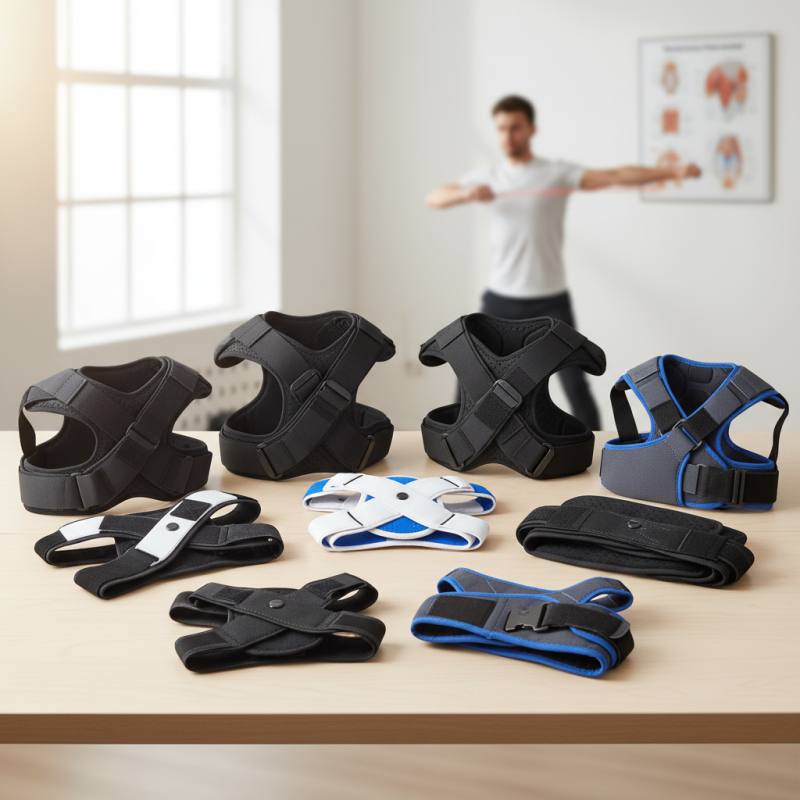
Shoulder braces are essential tools for individuals seeking pain relief and support for shoulder conditions. These braces are designed to stabilize the shoulder joint, reduce strain on the muscles, and promote proper posture. Various types of shoulder braces are available, ranging from adjustable models for compression to rigid supports for immobilization. Choosing the right brace depends on the specific needs, such as the nature of the pain, whether it’s acute or chronic, and personal comfort levels.
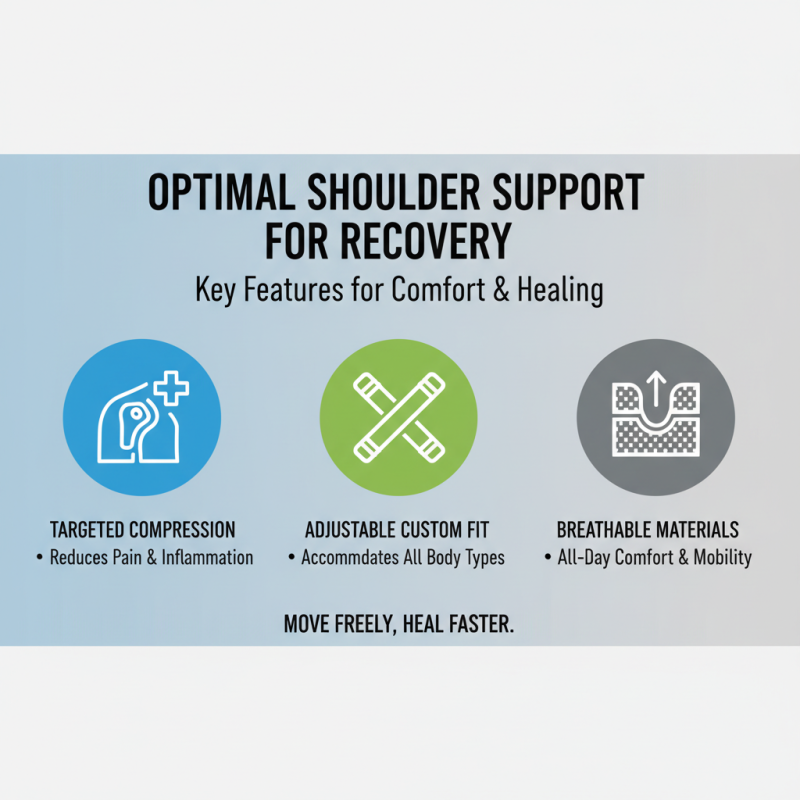
When selecting a shoulder brace, it's crucial to consider the fit and adjustability. A well-fitting brace should provide adequate support without restricting movement excessively. Look for features such as breathable materials, which can enhance comfort during long periods of wear. Additionally, consider the level of support needed—some braces are better suited for light activity, while others offer more rigidity for serious injuries.
Tips for ensuring the best use of shoulder braces include wearing them according to a healthcare professional’s advice and gradually increasing the duration of wear as your shoulder strengthens. Regularly assess how the brace fits and make necessary adjustments to prevent irritation or discomfort. Lastly, combine the use of a shoulder brace with appropriate stretching and strengthening exercises to promote healing and restore function.
Key Benefits of Using a Shoulder Brace for Pain Management
Shoulder braces have become an essential tool for individuals suffering from shoulder pain, providing both pain relief and support. According to the American Academy of Orthopaedic Surgeons, approximately 18% of adults report experiencing shoulder pain at some point in their lives. Utilizing a shoulder brace can significantly alleviate discomfort by stabilizing the joint, reducing the strain on ligaments and muscles. This support not only helps in improving mobility but also aids in the recovery process following injuries, enhancing overall shoulder function.
Furthermore, the use of shoulder braces can promote better posture and alignment, which is crucial in pain management. The National Institutes of Health indicates that poor posture can lead to chronic shoulder pain as it places additional stress on the shoulder joints. A well-designed shoulder brace encourages proper alignment, helping to distribute weight evenly and minimize pressure points. This corrective support can be particularly beneficial during physical activities or rehabilitation exercises, allowing individuals to engage in their daily routines with less pain and discomfort. By understanding the key benefits of shoulder braces, individuals can make informed decisions in their pain management strategies.
Top 10 Shoulder Braces for Pain Relief and Support - 2023
Criteria for Selecting the Best Shoulder Braces in 2023
When selecting the best shoulder braces for pain relief and support in 2023, several key criteria should be considered to ensure effective use and maximum comfort.
Firstly, fit and adjustability are essential factors; a brace should provide a snug fit that can be customized according to the wearer's body shape and size.
A proper fit helps to stabilize the shoulder joint while still allowing for a degree of movement, which is crucial for rehabilitation and daily activities.
Another important criterion is the material used in the construction of the brace.
Breathable and lightweight materials contribute to comfort, especially when worn for extended periods.
Additionally, the level of support offered by the brace matters significantly; it should provide adequate compression and stabilization without restricting blood flow or causing discomfort.
Lastly, evaluating the brace’s design is crucial.
Options such as low-profile designs or those that provide added padding can enhance usability, making it easier for the wearer to engage in various activities while still receiving support.
Top 10 Shoulder Braces for Optimal Support and Comfort
When experiencing shoulder pain, finding the right support is crucial for recovery and comfort. The best shoulder braces are designed to provide optimal support while ensuring that users remain comfortable throughout their daily activities. A well-crafted shoulder brace typically features adjustable straps and breathable materials, allowing for a customized fit that accommodates different body types and sizes. This adaptability is essential for ensuring adequate compression without restricting movement, which can lead to further pain or discomfort.
In addition to support and adjustability, many of the top shoulder braces incorporate innovative designs that promote healing. These may include features such as heat retention to enhance circulation or targeted compression zones that alleviate stress on specific areas of the shoulder. Comfort is paramount, and leading products often emphasize the importance of lightweight construction and moisture-wicking fabrics that prevent overheating during use. Ultimately, choosing a shoulder brace that focuses on both support and comfort can make a significant difference in pain management and recovery.
User Reviews and Experiences with Effective Shoulder Braces
Shoulder pain is a common ailment affecting millions of individuals worldwide, often leading to decreased mobility and diminished quality of life. Recent surveys indicate that approximately 50% of adults experience shoulder pain at some point, with rotator cuff injuries being among the most prevalent. As a result, many people turn to shoulder braces for support and relief. User reviews highlight significant variations in effectiveness, with some individuals reporting marked improvements in pain levels and functionality after consistent use of well-designed braces.
A comprehensive analysis of user experiences reveals that comfort and adjustability are key factors influencing satisfaction. For instance, many users appreciate braces that feature breathable materials and customizable fits, as these attributes often lead to better compliance and, ultimately, improved outcomes. According to a 2023 report from the American Academy of Orthopaedic Surgeons, nearly 70% of patients saw a decrease in pain severity when using supportive devices in conjunction with physical therapy. This correlation underscores the importance of patient-centered approaches, as real-world testimonials suggest that combining braces with professional guidance often maximizes pain relief and enhances recovery.
10 Best Shoulder Braces for Pain Relief and Support in 2023 - User Reviews and Experiences
| Brace Model |
User Rating |
Primary Use |
Material |
Price Range |
| Adjustable Compression Brace |
4.8/5 |
Support & Stabilization |
Neoprene Blend |
$30 - $50 |
| Posture Corrector Shoulder Brace |
4.5/5 |
Posture Improvement |
Cotton & Elastic |
$20 - $35 |
| Sling & Swathe Shoulder Brace |
4.7/5 |
Immobilization |
Polyester |
$25 - $45 |
| Thermal Shoulder Brace |
4.4/5 |
Heat Therapy |
Latex-Free Neoprene |
$15 - $30 |
| Chest & Shoulder Support Brace |
4.6/5 |
Supports Weak Muscles |
Mesh & Elastic |
$18 - $32 |
| Adjustable Clavicle Brace |
4.9/5 |
Clavicle Support |
Cotton Blend |
$20 - $40 |
| Shoulder Support Strap |
4.3/5 |
Mild Support |
Nylon |
$10 - $20 |
| Elastic Shoulder Wrap |
4.5/5 |
Support & Comfort |
Elastic Fabric |
$15 - $25 |
| Universal Shoulder Brace |
4.6/5 |
Versatile Support |
Breathable Fabric |
$20 - $40 |
| Rotator Cuff Support Brace |
4.7/5 |
Shoulder Injury Recovery |
Neoprene & Nylon |
$25 - $50 |