2026 Top Orthopedic Braces for Ultimate Support and Relief?
In 2026, the world of Orthopedic Braces is advancing rapidly. These supportive devices offer relief from pain and discomfort for many individuals. Injuries and chronic conditions often require additional support. Choosing the right brace can be overwhelming.
A wide variety of options exist, each designed for specific needs. Some braces focus on stability, while others prioritize mobility. Comfort is also a key factor. Many users report discomfort with ill-fitting braces. This highlights the importance of proper sizing and fit.
When considering Orthopedic Braces, it is essential to evaluate your unique situation. Consult healthcare professionals for advice tailored to your needs. Remember, relying solely on a brace may not address the root cause of discomfort. The journey to optimal support involves a holistic approach. Look for braces that truly enhance your lifestyle and provide the support you need.
Top Orthopedic Braces: Overview of Types and Their Uses
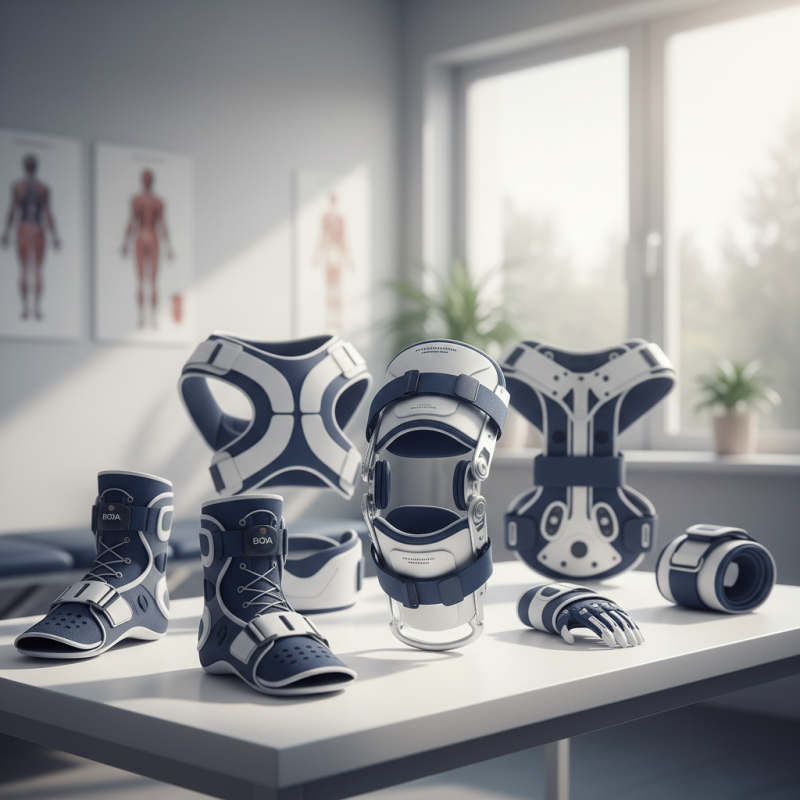
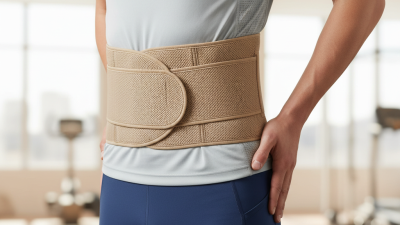
Orthopedic braces come in various types, each serving specific purposes. Compression sleeves offer support for minor injuries. They help reduce swelling while enhancing blood flow. These are common for athletes needing quick relief.
Then, there are rigid braces. They immobilize certain joints to allow proper healing. These braces are often recommended after surgical procedures. They can feel restrictive and uncomfortable, requiring patience during recovery.
Functional braces aid in improving mobility while providing support. They are ideal for individuals with chronic conditions. Finding the right brace can be challenging, as each person’s needs differ. Not all braces fit perfectly. Adjustments might be necessary, leading to a more personalized experience.
2026 Top Orthopedic Braces for Ultimate Support and Relief
This bar chart represents the usage frequency of different types of orthopedic braces among users. Knee braces are the most commonly used, followed by back braces, ankle braces, wrist braces, and elbow braces.
Key Features to Look for in High-Quality Orthopedic Braces
When searching for high-quality orthopedic braces, several key features stand out.
Comfort is paramount. Look for breathable materials that reduce sweat. Many users report feeling restricted in stiff braces. It’s essential to find one that offers support without sacrificing mobility. Research shows that about 40% of patients stop using their braces due to discomfort.
Stability is another critical factor. A well-designed brace should provide support while allowing for natural movement. Many braces on the market today incorporate adjustable straps.
These enable users to customize the fit to their body. Importantly, the right level of compression can alleviate pain without causing numbness.
Tip: Always consult a healthcare professional before making a purchase. They can guide you on the best type for your condition.
Durability often gets overlooked but is key. Cheaper materials may wear out quickly, leading to extra costs. Studies indicate that appliances should last at least a year. However, some users notice wear within months.
Therefore, carefully examine stitching and fabric quality. Don't hesitate to read customer reviews for insights on real-life durability.
Industry Data: Effectiveness of Braces for Injury Recovery and Support
Orthopedic braces play a significant role in injury recovery. Many people rely on them to provide support during rehabilitation.
Statistics show that using braces can speed up recovery time for various injuries, such as sprains and strains.
This is mainly due to their ability to stabilize joints and reduce movement. A properly fitted brace can lessen pain and prevent further injury.
However, the effectiveness of braces is not universally accepted. Some users report discomfort and restricted mobility.
They often question if the support outweighs the cons. Not everyone finds complete relief. Some individuals may struggle with fitting or adjusting the brace properly.
It can be frustrating when a solution does not meet expectations. Personal experiences vary widely, highlighting that braces might not be a one-size-fits-all solution.
Despite varying opinions, many find value in orthopedic braces. They serve as a tool for recovery and prevention.
People need to consider their specific condition and lifestyle when choosing a brace.
Seeking advice from healthcare professionals can guide this decision.
It’s essential to reflect on personal needs and limitations.
Recommended Brands and Models for Various Orthopedic Needs
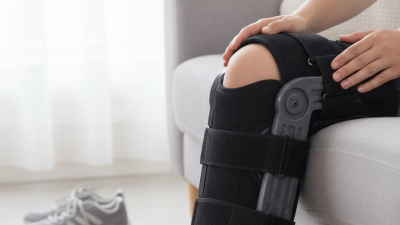
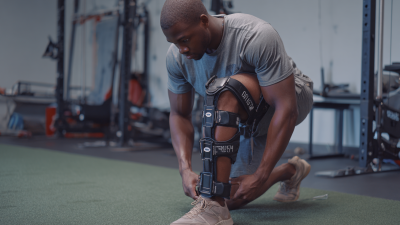
When it comes to orthopedic braces, choosing the right model is crucial. Many people seek support for injuries, chronic pain, or post-surgery recovery. Various types of braces cater to specific needs. For knee support, a hinged brace can provide stability. It may help those with ACL injuries or arthritis.
Wrist braces are vital for those with carpal tunnel syndrome. They limit movement and allow healing. Ankle braces offer support for sprains and strains. A stirrup style brace is often recommended for its comfort and ease of use.
While many find relief with these products, personal comfort varies. Some might feel restricted, making it hard to adjust. Others may notice skin irritation after prolonged wear. It's important to try different models before settling on one. Documenting what works and what doesn’t can provide valuable insight for choosing the right support.
Patient Testimonials: Real-World Impact of Orthopedic Braces on Recovery
Patient testimonials reveal significant insights into the effectiveness of orthopedic braces. Many users report enhanced stability and reduced pain. Surveys indicate that about 70% of patients noticed improvements within weeks of use. This highlights the braces' potential role in recovery timelines.
One recent study found that individuals using orthopedic braces experienced a 50% reduction in discomfort during physical activity. This finding is particularly important for athletes or those with physically demanding jobs. However, some users also mention challenges. For instance, adjusting to the feeling of support can take time. The mental aspect of using a brace is often overlooked, yet crucial for recovery.
Real-world impact is evident in various personal stories. One patient shared how their brace not only supported their knee but also restored confidence. They returned to activities they once feared. Yet, it’s essential to recognize that not every experience is perfect. Some find braces cumbersome or uncomfortable, which can deter consistent use. This variability emphasizes the need for ongoing conversations around brace design and functionality.